Ocean Observatories Initiative Dismantled: What the $368 Million Loss Means for Climate Science

In a move that has sent ripples through the global scientific community, the Trump administration has begun dismantling the Ocean Observatories Initiative— a $368 million network of deep-ocean instruments that has collected critical climate and ocean data for over a decade. This system, consisting of approximately 900 ocean data collecting buoys, autonomous underwater vehicles, and seafloor cables, provided an unprecedented window into ocean currents, marine ecosystems, coastal environments, and the powerful forces shaping our climate. Its decommissioning represents a seismic shift in U.S. scientific infrastructure and raises urgent questions about the future of ocean monitoring.
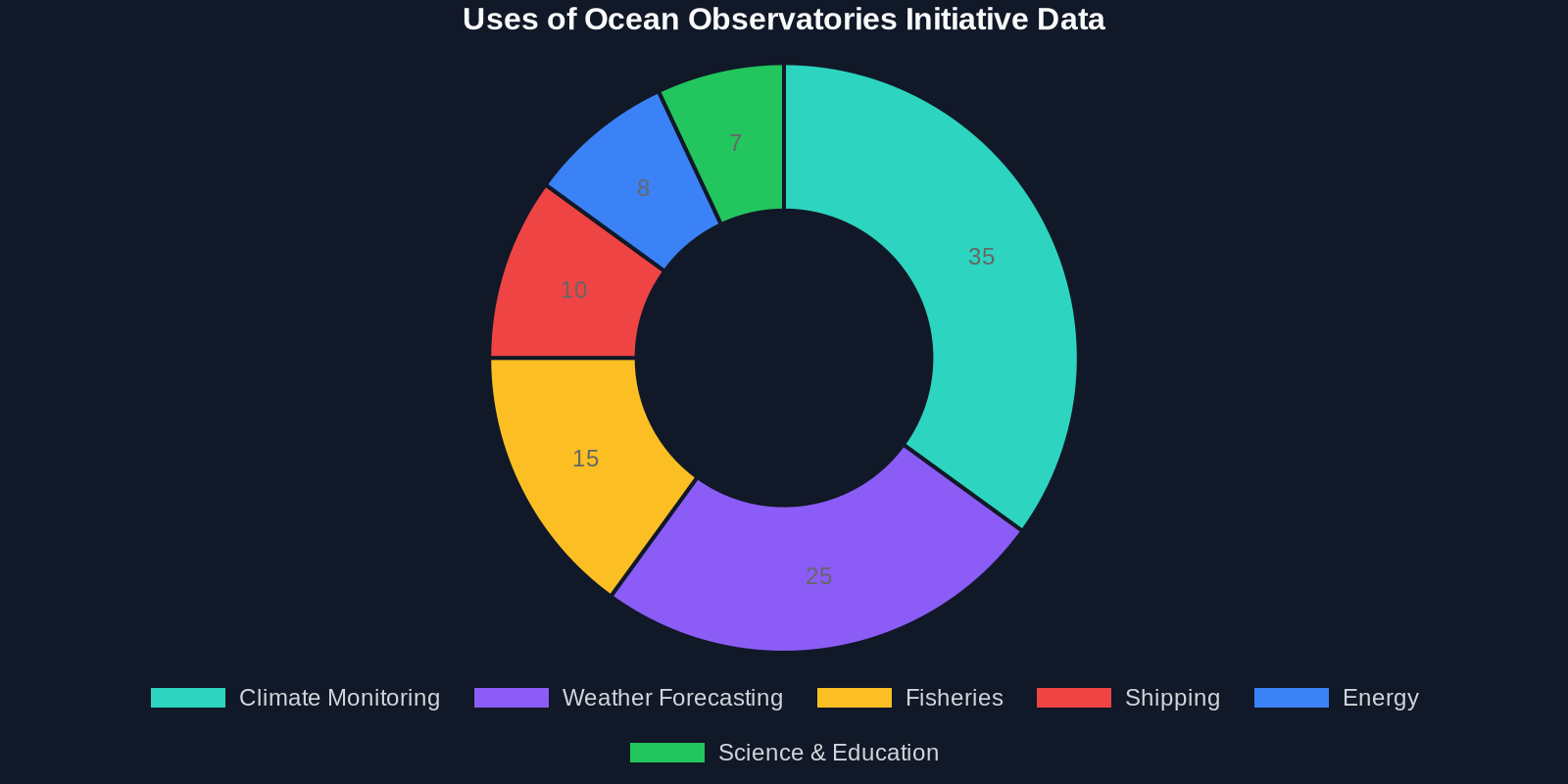
The Ocean Observatories Initiative was not just a collection of hardware; it was a backbone of modern oceanography. Funded by the National Science Foundation, it enabled real-time data transmission from the most remote parts of the Atlantic and Pacific oceans. Researchers, government agencies, and industries relied on this data for climate modeling, weather forecasting, fisheries management, and tsunami warnings. The decision to remove the system pushes the objectives of Project 2025 one step closer to completion, but at a steep cost to scientific progress.
The Scope of the Ocean Observatories Initiative
To understand what is being lost, it helps to examine the sheer scale of the Ocean Observatories Initiative. The system was put in place a decade ago with a mission to monitor coastal environments, marine ecosystems, and powerful ocean currents. The network included:
-Global arrays of moored buoys— These buoys collected data on temperature, salinity, currents, and atmospheric conditions across the Atlantic and Pacific. -Seafloor cables— These provided power and communications for instruments on the ocean floor, enabling continuous data collection. -Autonomous vehicles— Gliders and floats that profiled the ocean's physical and chemical properties over vast distances. -Coastal observatories— Focused on nearshore environments, critical for understanding erosion, pollution, and habitat health.
The Impact on International Science and Collaboration
Ocean observation is a global effort. The U.S. has long been a leader in oceanographic research, contributing to international programs like the Global Ocean Observing System (GOOS) and the Argo float program. The dismantling of the Ocean Observatories Initiative undermines years of collaborative data collection and creates a gap that other nations may not be able to fill.

What Other Countries Are Doing
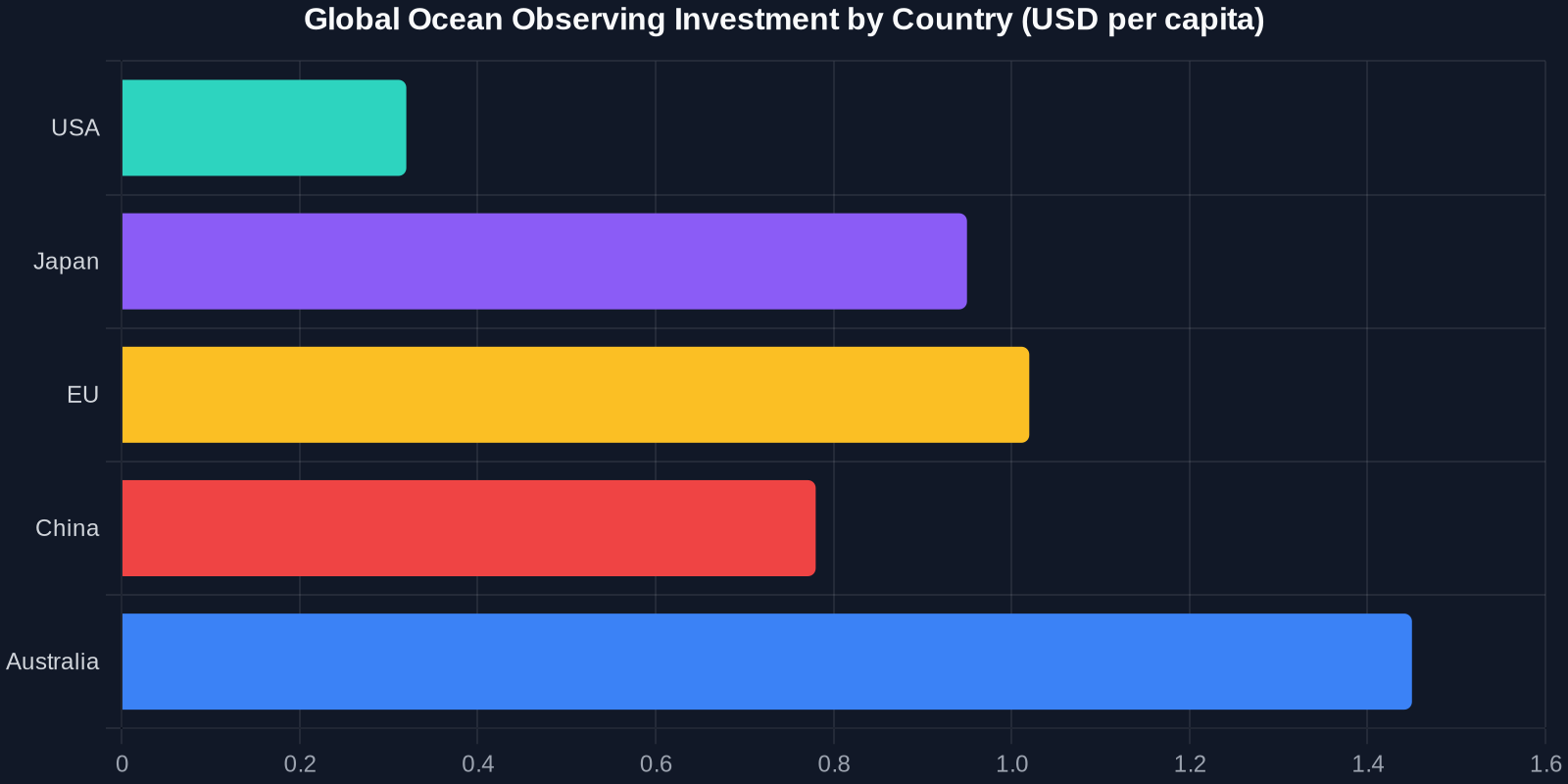
While the U.S. steps back, other nations are advancing their own ocean observing capabilities:
-European Union— The European Marine Observation and Data Network (EMODnet) continues to expand, integrating data from multiple sources. -Japan— Japan maintains a robust network of ocean buoys and deep-sea observatories, with a focus on earthquake and tsunami monitoring. -China— China has rapidly increased its investment in ocean research, deploying autonomous floats and building deep-sea stations.
This shift in global leadership has implications for future scientific advancements and for the U.S.'s ability to participate in global climate agreements and maritime security.
The Role of the National Science Foundation and Project 2025
The decision to dismantle the Ocean Observatories Initiative was implemented by the National Science Foundation, with the stated goal of aligning with the objectives of Project 2025. This controversial policy blueprint aims to reduce federal spending on climate-related research and refocus priorities on other areas.
The immediate consequence is that the stream of data that has been flowing for over a decade will cease. Researchers who have built careers on analyzing Ocean Observatories Initiative data must now pivot to other sources — or abandon their work altogether. This brain drain has long-term implications for the U.S. scientific workforce and its ability to attract top talent.
What This Means for Climate Science and Forecasting
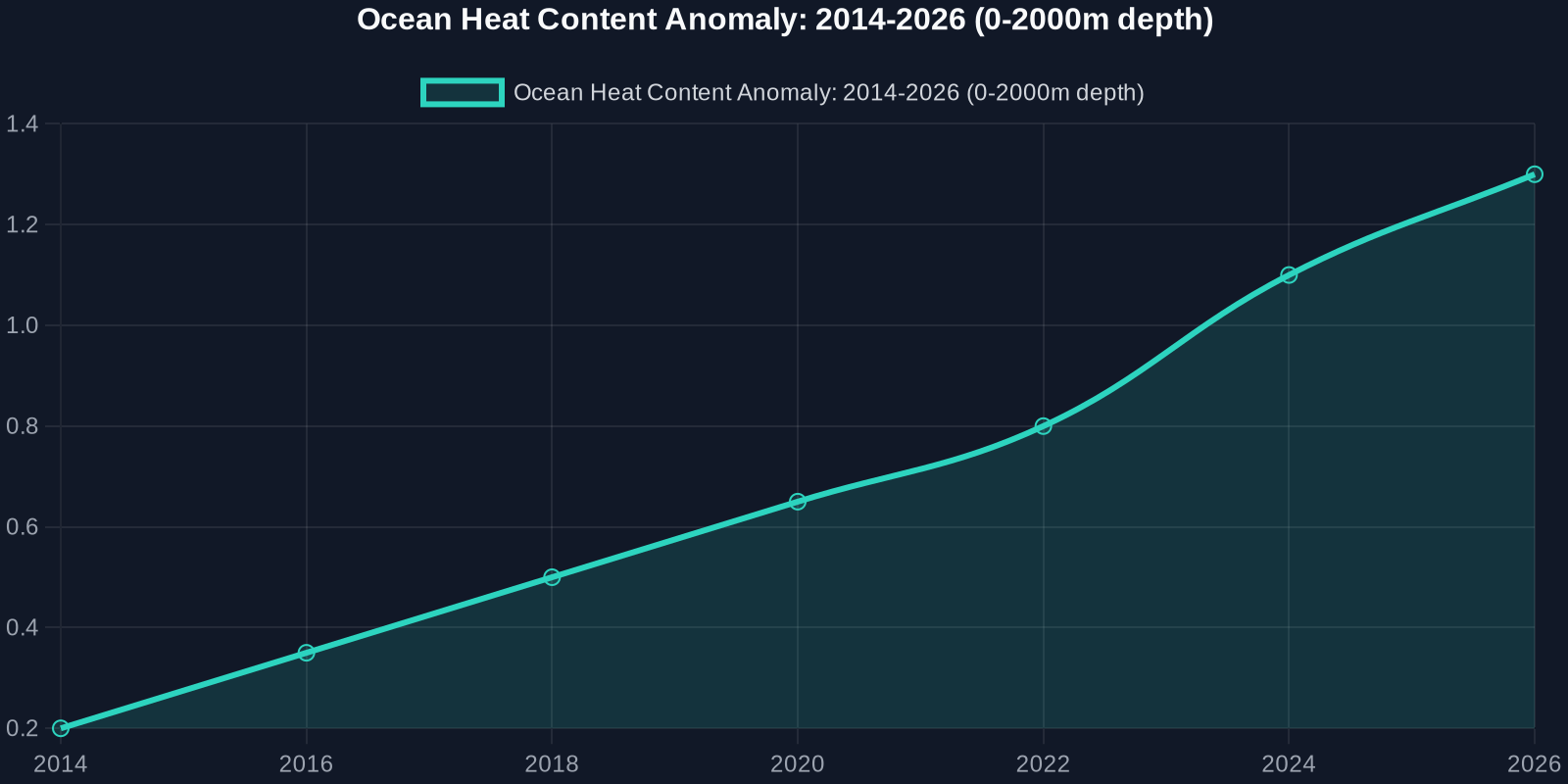
Climate science relies on continuous, long-term data sets. The Ocean Observatories Initiative provided an uninterrupted record of ocean change over 10+ years. Breaking that record introduces uncertainty into every climate model that uses ocean data.

Accuracy of Climate Models
Climate models are only as good as the data fed into them. The Ocean Observatories Initiative buoys provided ground-truth measurements that validated satellite observations and corrected model biases. Without these in-situ measurements, model predictions for sea-level rise, hurricane intensity, and ocean acidification will become less reliable.
Marine Heatwaves and Extreme Events
Marine heatwaves — periods of abnormally high ocean temperatures — have become more frequent and severe. The Ocean Observatories Initiative buoys helped detect and track these events, providing early warnings for coral bleaching, algal blooms, and fish die-offs. With the system gone, our ability to respond to such emergencies is diminished.
Alternatives and the Path Forward
Is there any way to replace the capabilities provided by the Ocean Observatories Initiative? The short answer is no — not quickly and not without significant investment. However, there are some potential paths forward:
-Private sector initiatives— Companies like Saildrone and Ocean Infinity operate autonomous vessels and drones that can collect ocean data. However, these are often proprietary and not freely shared. -International collaboration— The U.S. could negotiate access to data from allied nations' observatories, though this would require diplomatic effort and potentially tradeoffs. -Citizen science and NGO efforts— Non-profit organizations and academic consortia may attempt to fill the gap on a smaller scale, but they lack the funding and infrastructure of a federal program.
Key Takeaways
The dismantling of the Ocean Observatories Initiative marks a turning point in U.S. ocean science policy. Here are the most important points to remember:
Conclusion and Call to Action
The decision to dismantle the Ocean Observatories Initiative is a significant setback for ocean science, climate monitoring, and global cooperation. The loss of this $368 million network will be felt for years to come — in less accurate weather forecasts, diminished understanding of climate change, and weakened capacity to manage marine resources.
For those who care about the health of our oceans and the future of our planet, this is a moment to pay attention. Scientists, policymakers, industry leaders, and citizens must work together to advocate for sustained investment in ocean observation. Without data, we are navigating uncharted waters. What can you do?
- Support organizations that fund ocean research, such as the Oceanography Society or the National Marine Sanctuary Foundation.
- Stay informed about policy changes affecting climate science.
- Contact your representatives to express the importance of ocean monitoring.
- Share this article to raise awareness about the value of the Ocean Observatories Initiative.
The ocean is the planet's life-support system. We cannot afford to go blind.