2026 South Korea Crypto Market Guide: Tiger Research Insights

2026 South Korea Crypto Market Guide: Tiger Research Insights
South Korea has emerged as a global leader in the cryptocurrency market, with a vibrant ecosystem of exchanges, blockchain projects, and innovative financial products. As we look ahead to 2026, the South Korean crypto market is poised for significant growth and transformation. This comprehensive guide, based on Tiger Research insights, will explore the key trends, regulations, and opportunities shaping the South Korean crypto landscape.
Market Overview and Growth Prospects
The South Korean crypto market has experienced remarkable growth in recent years, driven by a tech-savvy population, supportive government policies, and a thriving blockchain ecosystem. As of 2026, the market is expected to continue its upward trajectory, with several key factors contributing to its expansion.
Key Growth Drivers
-
Increasing Adoption of Blockchain Technology: South Korea's Ministry of Finance will pilot blockchain deposit tokens for government expenses in Q4 2026, showcasing the country's commitment to blockchain innovation.
-
Expansion of Crypto-Related Financial Products: The introduction of new financial products, such as crypto ETFs and derivatives, has attracted both retail and institutional investors.
-
Growing Interest in Decentralized Finance (DeFi): The DeFi sector has gained significant traction in South Korea, with a growing number of projects and platforms catering to the local market.
-
Supportive Regulatory Environment: The South Korean government has taken a proactive approach to regulating the crypto market, providing clarity and stability for businesses and investors.
Regulatory Landscape
South Korea has been at the forefront of crypto regulation, with the government implementing a comprehensive framework to govern the market. In 2026, several key regulations and initiatives are shaping the industry:
Major Regulations and Initiatives
-
Blockchain Deposit Tokens: The Ministry of Finance's pilot program for blockchain deposit tokens aims to streamline government expenses and enhance transparency.
-
Crypto Taxation: South Korea has implemented a clear taxation framework for cryptocurrencies, providing guidance for investors and businesses.
-
Anti-Money Laundering (AML) Measures: The government has strengthened AML regulations to prevent illicit activities and protect the integrity of the financial system.
-
Investor Protection: New measures have been introduced to safeguard retail investors, including disclosure requirements and risk management guidelines.
South Korea's proactive approach to crypto regulation has created a stable and attractive environment for businesses and investors.
Market Trends and Opportunities
The South Korean crypto market is characterized by several notable trends and opportunities, driven by innovation and a dynamic ecosystem.
Notable Trends
-
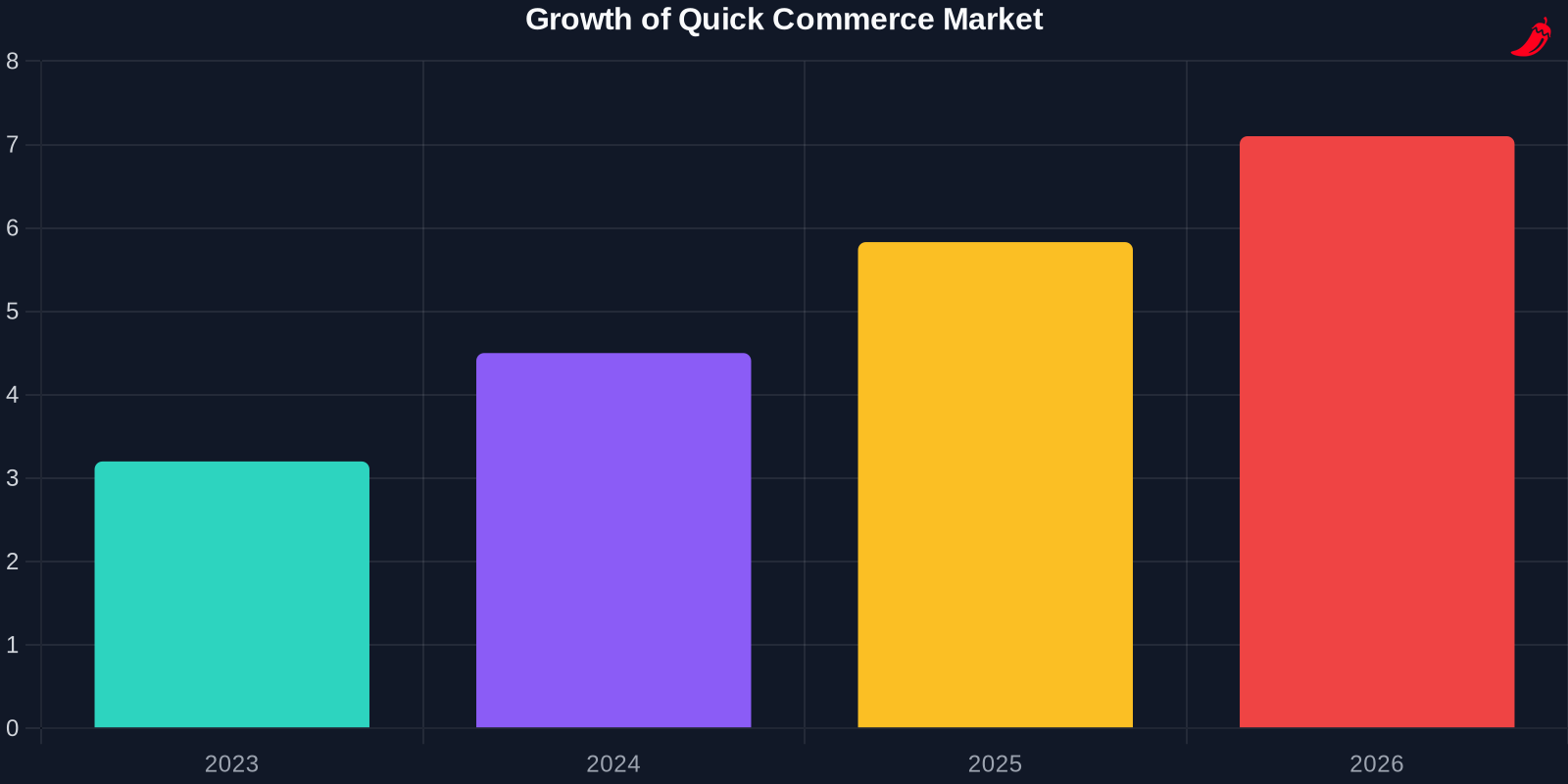
Rise of Quick Commerce: The quick commerce market in South Korea is expected to grow by 6.9% annually, reaching $5.83 billion by 2025, driven by the increasing demand for fast and convenient services.
-
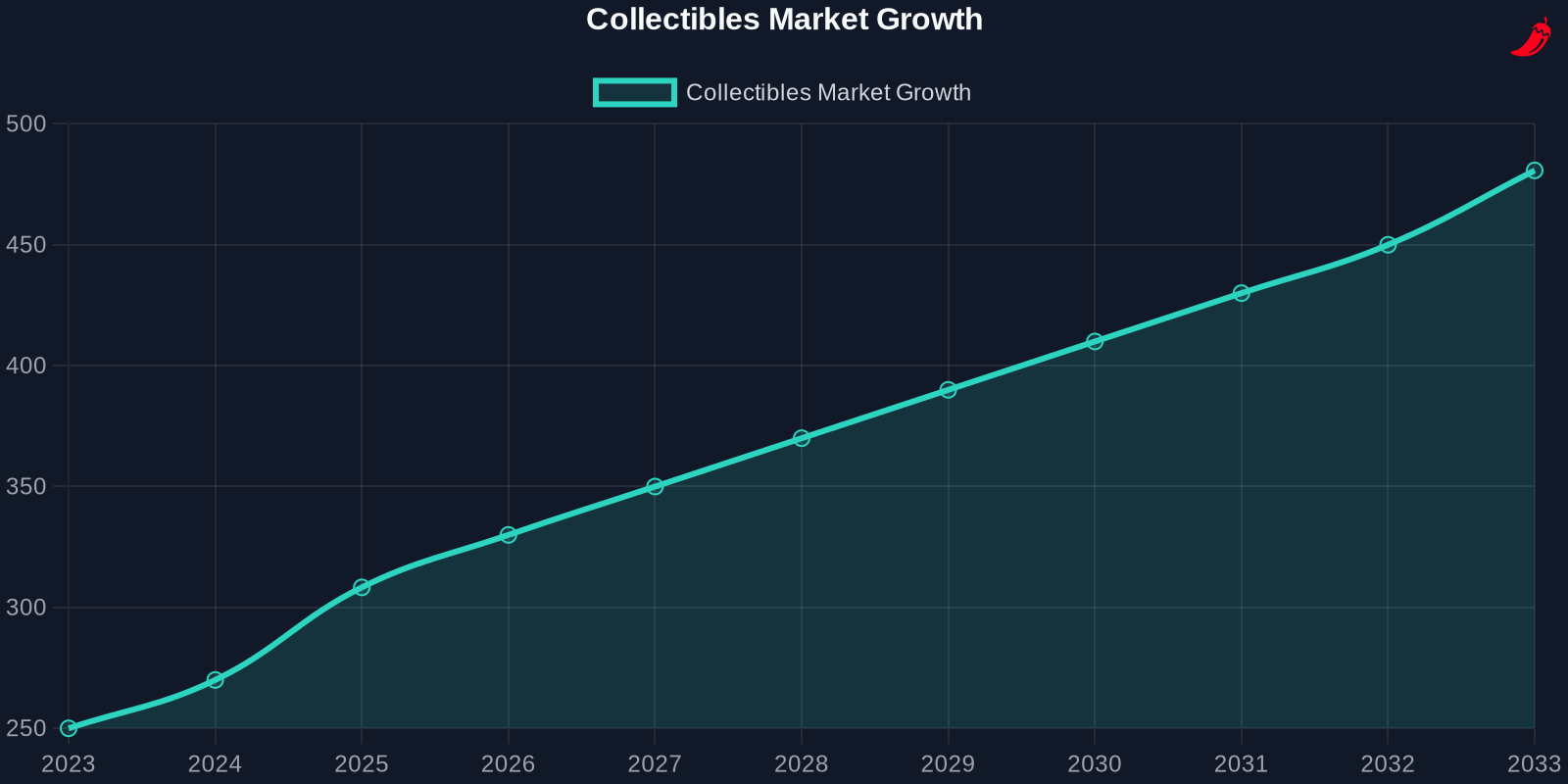
Growth of the Collectibles Market: The collectibles market is poised to grow from $308.31 billion in 2025 to $480.75 billion by 2033, with a CAGR of 5.71%, fueled by the increasing popularity of non-fungible tokens (NFTs) and digital collectibles.
-
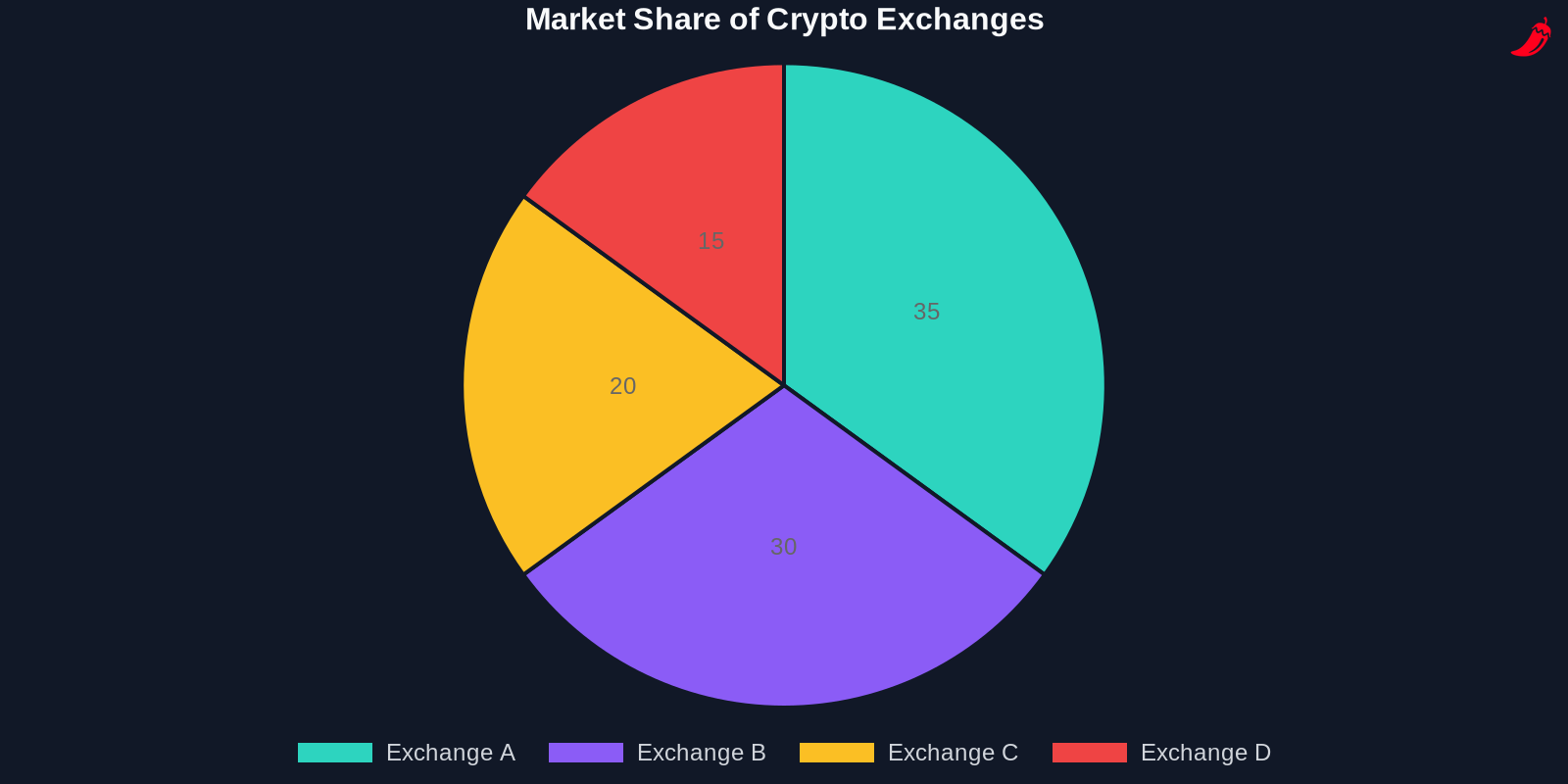
Expansion of Crypto Exchanges: South Korea is home to several leading crypto exchanges, which have expanded their offerings to include a wide range of trading pairs, derivatives, and other financial products.
-
Increasing Institutional Participation: Institutional investors, including banks, asset managers, and hedge funds, have shown a growing interest in the crypto market, contributing to its liquidity and stability.
Investment Opportunities
-
Crypto ETFs: The growing popularity of crypto ETFs provides investors with a convenient and regulated way to gain exposure to the market.
-
DeFi Projects: The DeFi sector offers numerous investment opportunities, with innovative projects and platforms catering to the South Korean market.
-
Blockchain Startups: South Korea's thriving blockchain ecosystem presents opportunities for investment in promising startups and projects.
-
NFTs and Digital Collectibles: The increasing popularity of NFTs and digital collectibles has created a new asset class for investors to explore.
Challenges and Risks
While the South Korean crypto market presents numerous opportunities, it also faces several challenges and risks that investors and businesses should be aware of:
Key Challenges
-
Market Volatility: The crypto market is known for its volatility, which can lead to significant price fluctuations and investment risks.
-
Regulatory Uncertainty: Despite the government's proactive approach to regulation, the evolving nature of the crypto market can lead to regulatory uncertainty and potential changes in the legal framework.
-
Security Concerns: The increasing number of cyber threats and hacking incidents poses risks to the security of crypto assets and platforms.
-
Competition: The growing number of crypto projects and platforms in South Korea has led to increased competition, making it challenging for new entrants to gain market share.
Key Takeaways
Conclusion
The South Korean crypto market is poised for significant growth and transformation in 2026, driven by a supportive regulatory environment, innovative blockchain projects, and a dynamic ecosystem of exchanges and financial products. As the market continues to evolve, investors and businesses should stay informed about the latest trends, regulations, and opportunities to make the most of this exciting and dynamic landscape.
For more insights and personalized outreach messages, visit PepperInsight.com, which scans 1M+ news articles daily across 40 countries, extracting qualified leads and generating AI-driven content.
Additional Resources
The South Korean crypto market is characterized by a diverse range of projects and platforms, catering to various sectors and industries. From DeFi and NFTs to blockchain-based solutions for traditional finance, the market offers numerous opportunities for innovation and growth.
As the market continues to evolve, it is essential for investors and businesses to stay informed about the latest trends and developments. By understanding the key drivers, regulations, and opportunities shaping the South Korean crypto landscape, stakeholders can make informed decisions and capitalize on the market's potential.