AI in Business: Transforming Industries with Artificial Intelligence

AI in Business: Transforming Industries with Artificial Intelligence
Artificial Intelligence (AI) is no longer a futuristic concept; it's a present-day reality transforming industries across the globe. From healthcare to finance, AI is driving innovation, enhancing efficiency, and creating new opportunities for businesses. In this article, we'll explore how AI is reshaping the business landscape and what it means for companies looking to stay competitive.
The Rise of AI in Business
The adoption of AI in business has seen a significant surge in recent years. Companies are leveraging AI to automate processes, gain insights from data, and improve customer experiences. According to a recent report, the global AI market is expected to reach $190.61 billion by 2025, growing at a CAGR of 36.62% from 2018 to 2025.
This rapid growth is driven by several factors, including the increasing availability of data, advancements in computing power, and the development of more sophisticated AI algorithms. Businesses are recognizing the potential of AI to transform their operations and gain a competitive edge.
AI Applications Across Industries
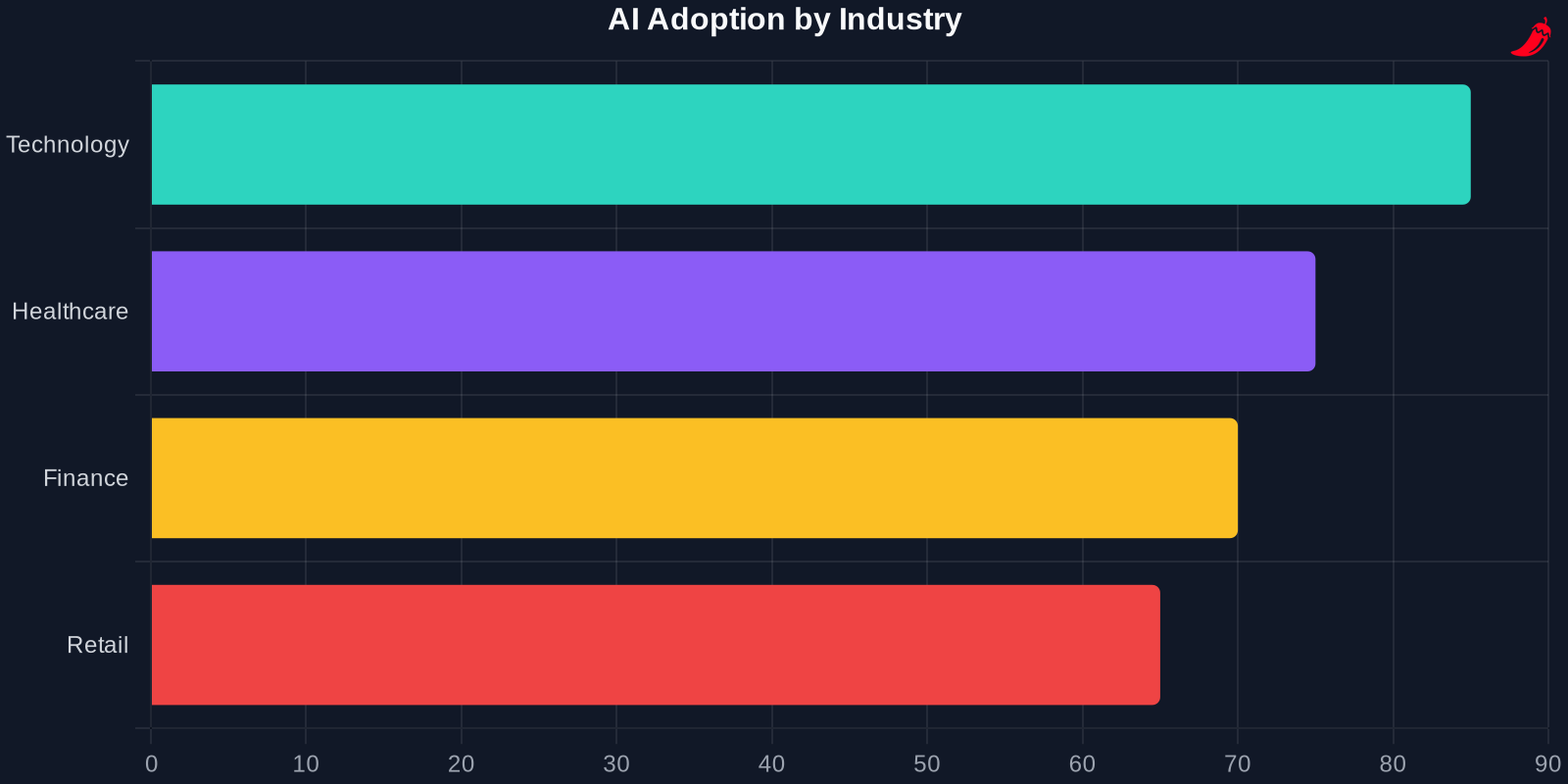
AI is being applied across various industries, each leveraging the technology to address specific challenges and opportunities. Here are some notable examples:
Healthcare
In healthcare, AI is used for predictive analytics, personalized medicine, and improving patient outcomes. AI algorithms can analyze vast amounts of medical data to identify patterns and make predictions about patient health. This can lead to earlier diagnoses, more effective treatments, and better patient care.
Finance
The finance industry is using AI for fraud detection, risk management, and customer service. AI-powered chatbots and virtual assistants are enhancing customer interactions, while machine learning algorithms are helping financial institutions detect fraudulent activities and manage risks more effectively.
Retail
In retail, AI is transforming the customer experience through personalized recommendations, inventory management, and supply chain optimization. Retailers are using AI to analyze customer data and provide tailored shopping experiences, leading to increased customer satisfaction and loyalty.
Benefits of AI in Business
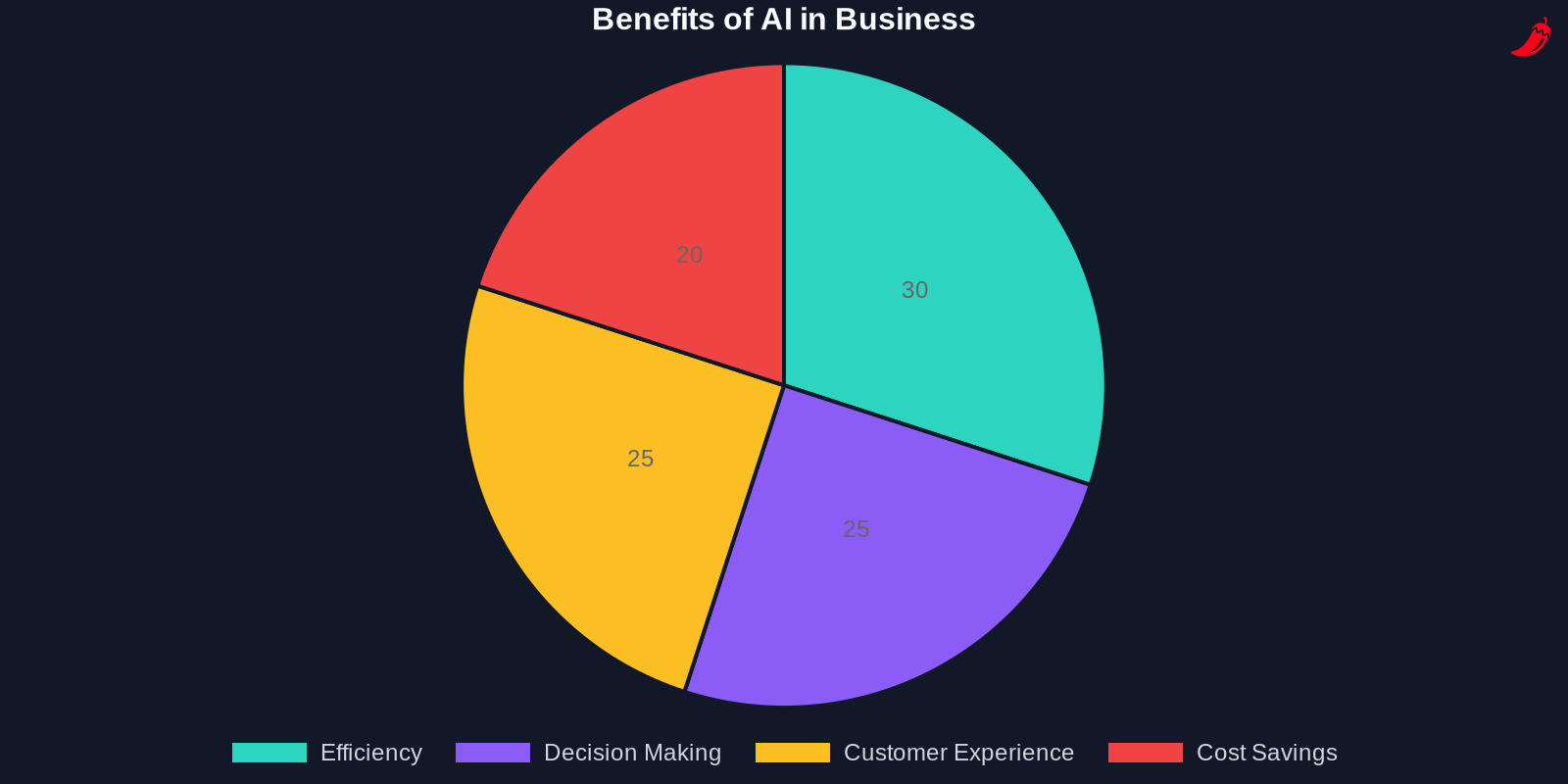
The benefits of AI in business are numerous and far-reaching. Here are some of the key advantages:
Increased Efficiency
AI can automate repetitive tasks, freeing up human workers to focus on more complex and creative endeavors. This not only increases efficiency but also reduces the likelihood of errors and improves overall productivity.
Enhanced Decision Making
AI algorithms can analyze vast amounts of data to provide insights and recommendations. This enables businesses to make more informed decisions based on data-driven insights rather than intuition or guesswork.
Improved Customer Experiences
AI-powered chatbots and virtual assistants can provide 24/7 customer support, answering questions and resolving issues in real-time. This leads to improved customer satisfaction and loyalty.
AI is not just a technology; it's a strategic asset that can drive innovation and growth in businesses.
Challenges and Considerations
While the benefits of AI are significant, there are also challenges and considerations that businesses need to address:
Data Privacy and Security
AI systems rely on vast amounts of data, raising concerns about data privacy and security. Businesses must ensure that they are collecting, storing, and using data in a responsible and ethical manner.
Ethical Considerations
The use of AI raises ethical questions about bias, fairness, and accountability. Businesses need to be aware of these issues and take steps to mitigate potential risks.
Implementation Costs
Implementing AI systems can be costly, requiring significant investments in technology, infrastructure, and talent. Businesses need to carefully consider the costs and benefits before embarking on AI initiatives.
The Future of AI in Business
The future of AI in business is bright, with continued advancements in technology and increasing adoption across industries. As AI becomes more sophisticated and accessible, businesses will find new and innovative ways to leverage the technology to drive growth and innovation.
Emerging Trends
Some of the emerging trends in AI include the use of AI for predictive maintenance, autonomous vehicles, and advanced robotics. These technologies have the potential to further transform industries and create new opportunities for businesses.
The Role of AI in Digital Transformation
AI is playing a crucial role in digital transformation, enabling businesses to modernize their operations and stay competitive in an increasingly digital world. By leveraging AI, businesses can gain insights from data, automate processes, and enhance customer experiences.
| Feature | Before AI | After AI |
|---|---|---|
| Efficiency | Manual processes | Automated processes |
| Decision Making | Intuition-based | Data-driven |
| Customer Experience | Limited support hours | 24/7 support with chatbots |
Key Takeaways
Conclusion
AI is transforming the business landscape, driving innovation, and enhancing efficiency across industries. While there are challenges and considerations to address, the benefits of AI are significant and far-reaching. As AI continues to evolve, businesses that leverage the technology will be well-positioned to stay competitive and drive growth.
For businesses looking to harness the power of AI, PepperInsight.com offers valuable resources and insights. By staying informed and proactive, companies can navigate the complexities of AI implementation and unlock its full potential.