AI Trends in B2B Marketing for 2026: A Comprehensive Analysis

AI Trends in B2B Marketing for 2026: A Comprehensive Analysis
The landscape of B2B marketing is undergoing a seismic shift, driven by the rapid advancement and integration of artificial intelligence (AI) technologies. As we step into 2026, AI is no longer just a buzzword but a fundamental component of successful B2B marketing strategies. According to recent reports, AI-related inquiries accounted for more than 60% of new client consultations in Q1 2026, signaling a structural shift in how businesses approach marketing.
The Rise of AI in B2B Marketing
AI has become a cornerstone in B2B marketing, transforming how businesses interact with their clients and streamline their operations. The integration of AI technologies has led to more efficient processes, enhanced customer experiences, and improved decision-making capabilities.
AI-Driven Content Creation
One of the most significant trends in 2026 is the use of AI for content creation. AI-powered tools are now capable of generating high-quality, engaging content that resonates with target audiences. This includes everything from blog posts and social media updates to email campaigns and video scripts.
Predictive Analytics and Customer Insights
Predictive analytics powered by AI is another game-changer in B2B marketing. By analyzing vast amounts of data, AI can predict customer behavior, identify trends, and provide actionable insights. This enables businesses to tailor their marketing strategies more effectively and anticipate customer needs.
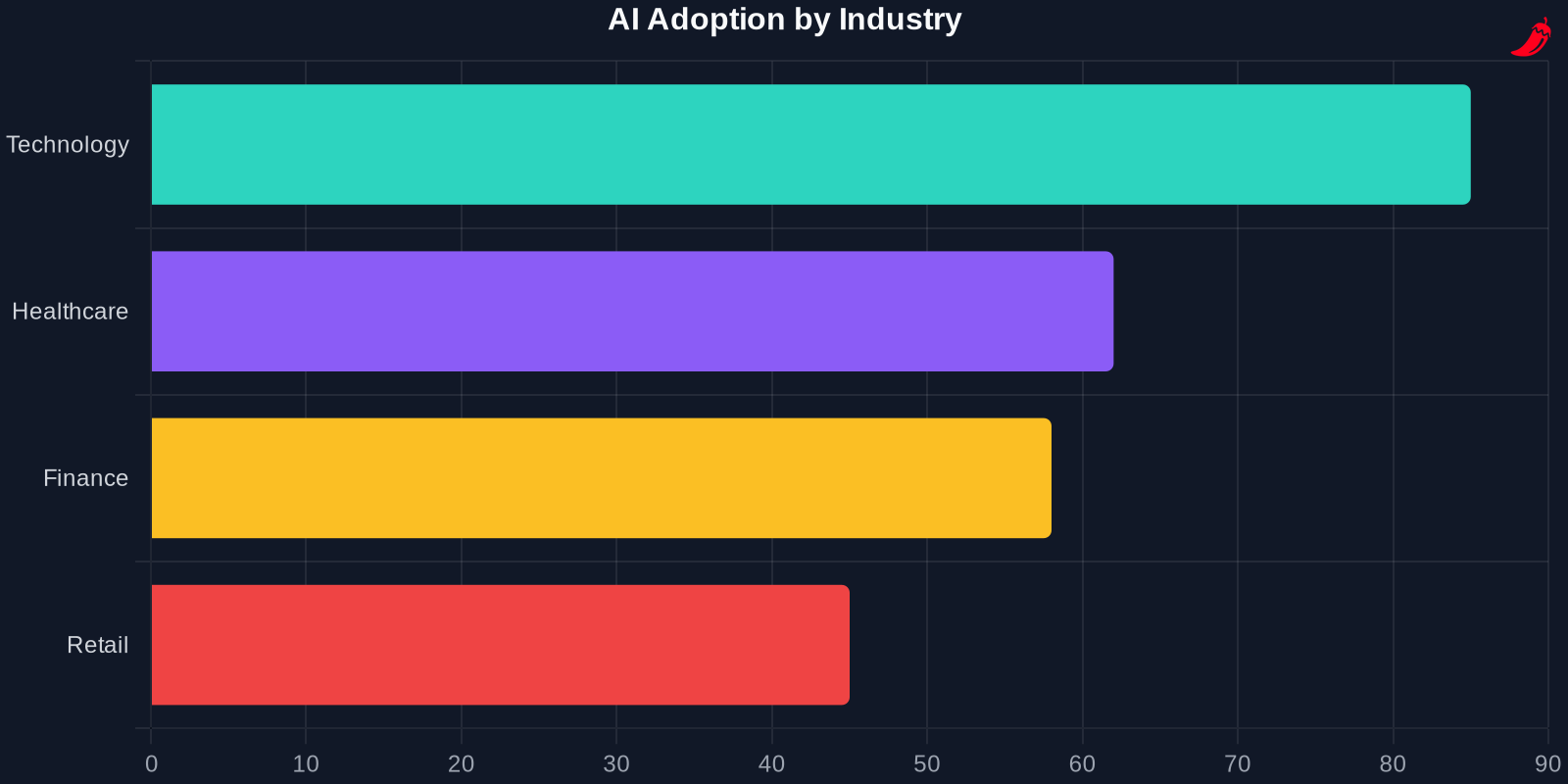
Personalization at Scale
Personalization has always been a key aspect of successful marketing, but AI takes it to a whole new level. In 2026, businesses are leveraging AI to deliver highly personalized experiences at scale. This includes personalized product recommendations, tailored content, and customized communication.
AI-Powered Chatbots and Virtual Assistants
AI-powered chatbots and virtual assistants are becoming increasingly sophisticated, providing 24/7 customer support and enhancing the overall customer experience. These tools can handle a wide range of tasks, from answering frequently asked questions to assisting with complex problem-solving.
AI-powered chatbots and virtual assistants are revolutionizing customer support, providing instant responses and freeing up human agents to focus on more complex issues.
Enhanced Customer Segmentation
AI enables businesses to segment their customers more effectively based on various criteria such as behavior, preferences, and demographics. This enhanced segmentation allows for more targeted and relevant marketing campaigns, improving engagement and conversion rates.
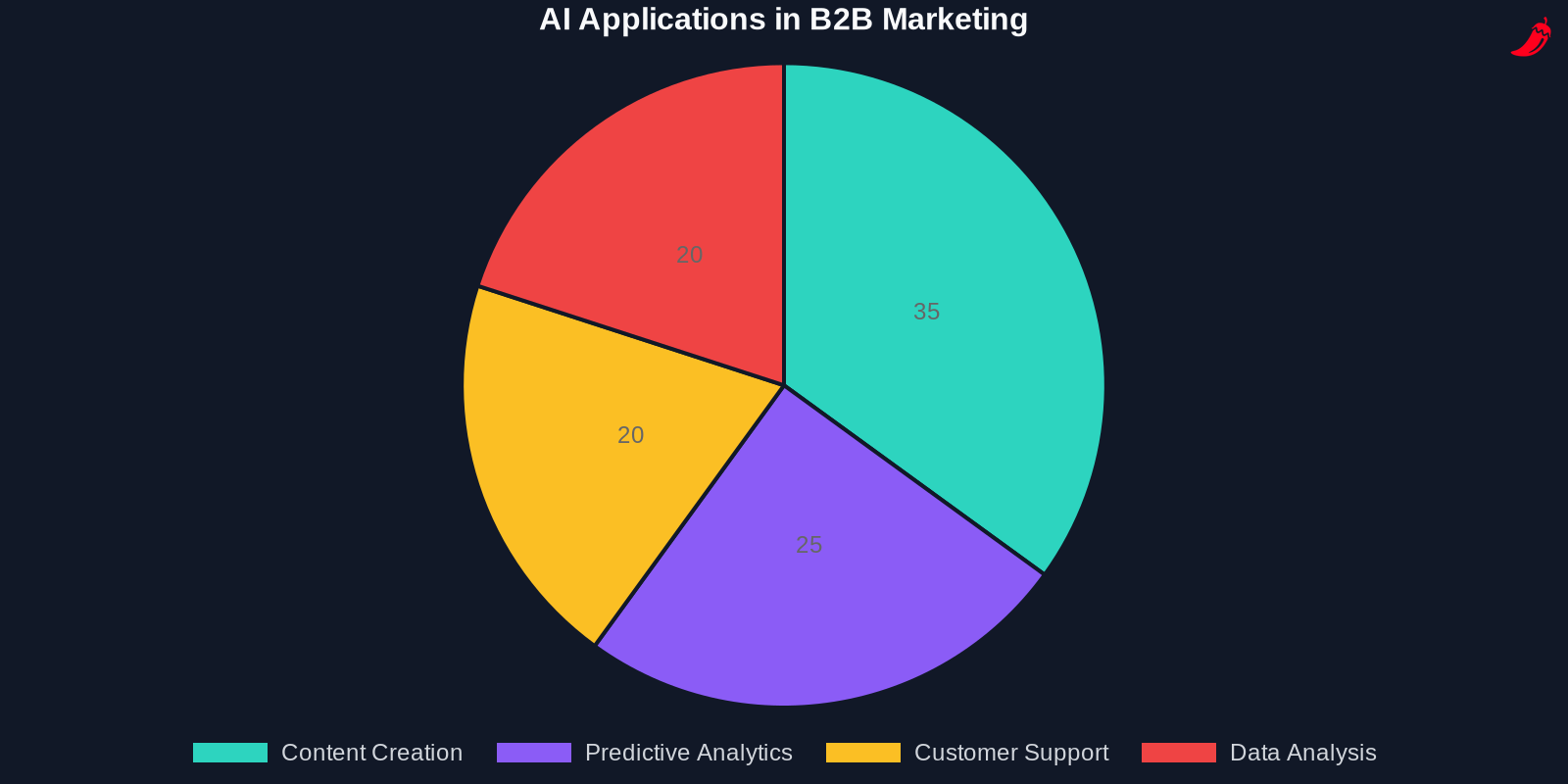
AI in Data-Driven Decision Making
AI is transforming how businesses make decisions by providing deeper insights and more accurate predictions. This data-driven approach allows businesses to optimize their marketing strategies, allocate resources more effectively, and achieve better results.
Real-Time Data Analysis
One of the most significant advantages of AI is its ability to analyze data in real-time. This capability allows businesses to respond quickly to changing market conditions, customer behaviors, and other critical factors. Real-time data analysis ensures that marketing strategies are always up-to-date and relevant.
| Feature | Before AI | With AI |
|---|---|---|
| Data Analysis Speed | Hours/Days | Real-Time |
| Customer Insights | Limited | Comprehensive |
| Personalization | Basic | Advanced |
AI and Marketing Automation
Marketing automation has been around for a while, but AI is taking it to new heights. AI-powered marketing automation tools can handle a wide range of tasks, from email marketing and social media management to lead nurturing and customer relationship management. These tools not only save time but also improve the effectiveness of marketing campaigns.
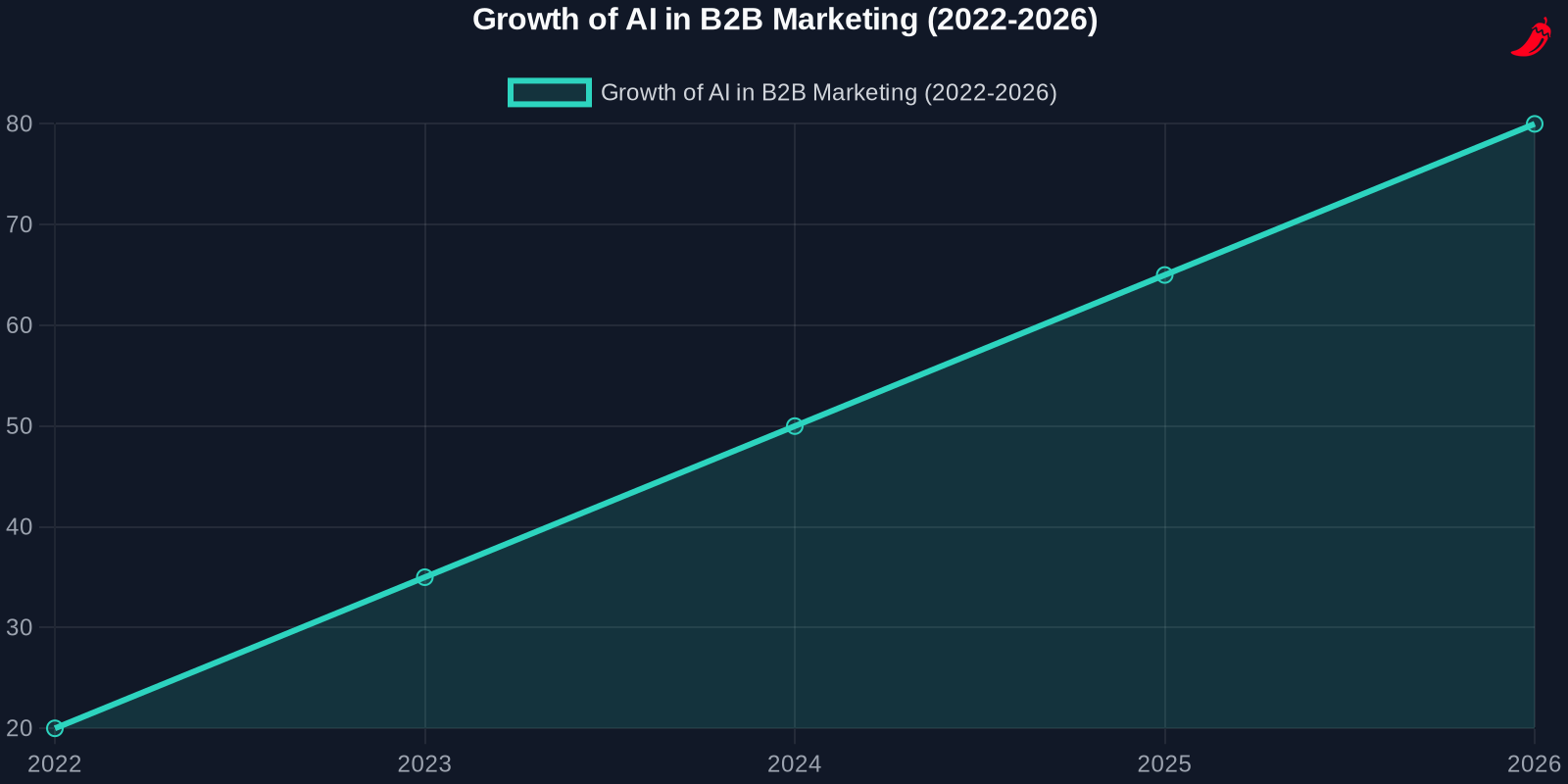
The Future of AI in B2B Marketing
As we look ahead, the role of AI in B2B marketing is set to grow even further. Businesses that embrace AI technologies will be better positioned to compete in an increasingly digital and data-driven marketplace. The key to success will be leveraging AI to enhance customer experiences, streamline operations, and drive innovation.
Ethical Considerations and AI
While AI offers numerous benefits, it also raises important ethical considerations. Businesses must ensure that their use of AI is transparent, fair, and respectful of customer privacy. Addressing these ethical concerns will be crucial for building trust and maintaining a positive brand image.
AI and Human Collaboration
Despite the advancements in AI, the human touch remains essential in B2B marketing. The most successful strategies will be those that combine the strengths of AI with human creativity, empathy, and strategic thinking. This collaboration will drive innovation and ensure that marketing efforts are both effective and meaningful.
Key Takeaways
Conclusion
The integration of AI in B2B marketing is no longer optional; it is a necessity for businesses looking to stay competitive in 2026 and beyond. From content creation and predictive analytics to personalized customer experiences and data-driven decision-making, AI is transforming every aspect of B2B marketing.
Businesses that embrace AI technologies and leverage them effectively will be well-positioned to thrive in the digital age. However, it is crucial to address ethical considerations and ensure that AI is used in a way that builds trust and enhances the customer experience.
For more insights and personalized outreach messages with AI precision, visit PepperInsight.com.