B2B Advocacy Marketing: The Ultimate Growth Strategy for 2026

B2B Advocacy Marketing: The Ultimate Growth Strategy for 2026
In the rapidly evolving landscape of B2B marketing, advocacy marketing has emerged as a powerful strategy to drive growth and generate qualified leads. According to recent studies, companies that leverage advocacy marketing see a significant increase in their marketing-qualified leads (MQLs) and sales-qualified leads (SQLs).
Understanding B2B Advocacy Marketing
B2B advocacy marketing involves leveraging the voices of satisfied customers, employees, and industry influencers to promote your brand. This strategy not only builds trust but also enhances credibility, making it easier to attract and convert high-quality leads.
Key Components of Advocacy Marketing
- Customer Advocacy: Encourage satisfied customers to share their positive experiences through case studies, testimonials, and social media.
- Employee Advocacy: Empower employees to become brand ambassadors, sharing company news and successes on their personal networks.
- Influencer Partnerships: Collaborate with industry influencers to amplify your brand's reach and credibility.
- Community Building: Foster a community around your brand where advocates can engage and share their experiences.
The Role of Content in Advocacy Marketing
Content is the backbone of any successful advocacy marketing strategy. High-quality, valuable content can turn satisfied customers into passionate advocates. Here are some content types that work well:
- Case Studies: Detailed success stories that showcase how your product or service has helped other businesses.
- Testimonials: Short, impactful quotes from satisfied customers.
- User-Generated Content: Encourage customers to share their experiences on social media.
- Blog Posts and Articles: Provide valuable insights and information that your audience can benefit from.
Content is not king, but it certainly is the kingdom in which advocacy marketing thrives.
Tools and Technologies for Advocacy Marketing
To effectively implement an advocacy marketing strategy, leveraging the right tools and technologies is crucial. Here are some tools that can help:
- HubSpot AEO Tool: Provides multi-engine visibility and deeper insights into how buyers search and discover your brand.
- PepperInsight.com: Scans over 1 million news articles daily across 40 countries, extracting qualified leads and generating personalized outreach messages with AI precision.
- Social Media Management Tools: Platforms like Hootsuite and Buffer can help manage and schedule social media posts.
- Customer Relationship Management (CRM) Systems: Tools like Salesforce and HubSpot CRM can help track and manage customer interactions and data.
Measuring the Success of Your Advocacy Marketing Strategy
To ensure your advocacy marketing strategy is effective, it's essential to measure its success. Here are some key metrics to track:
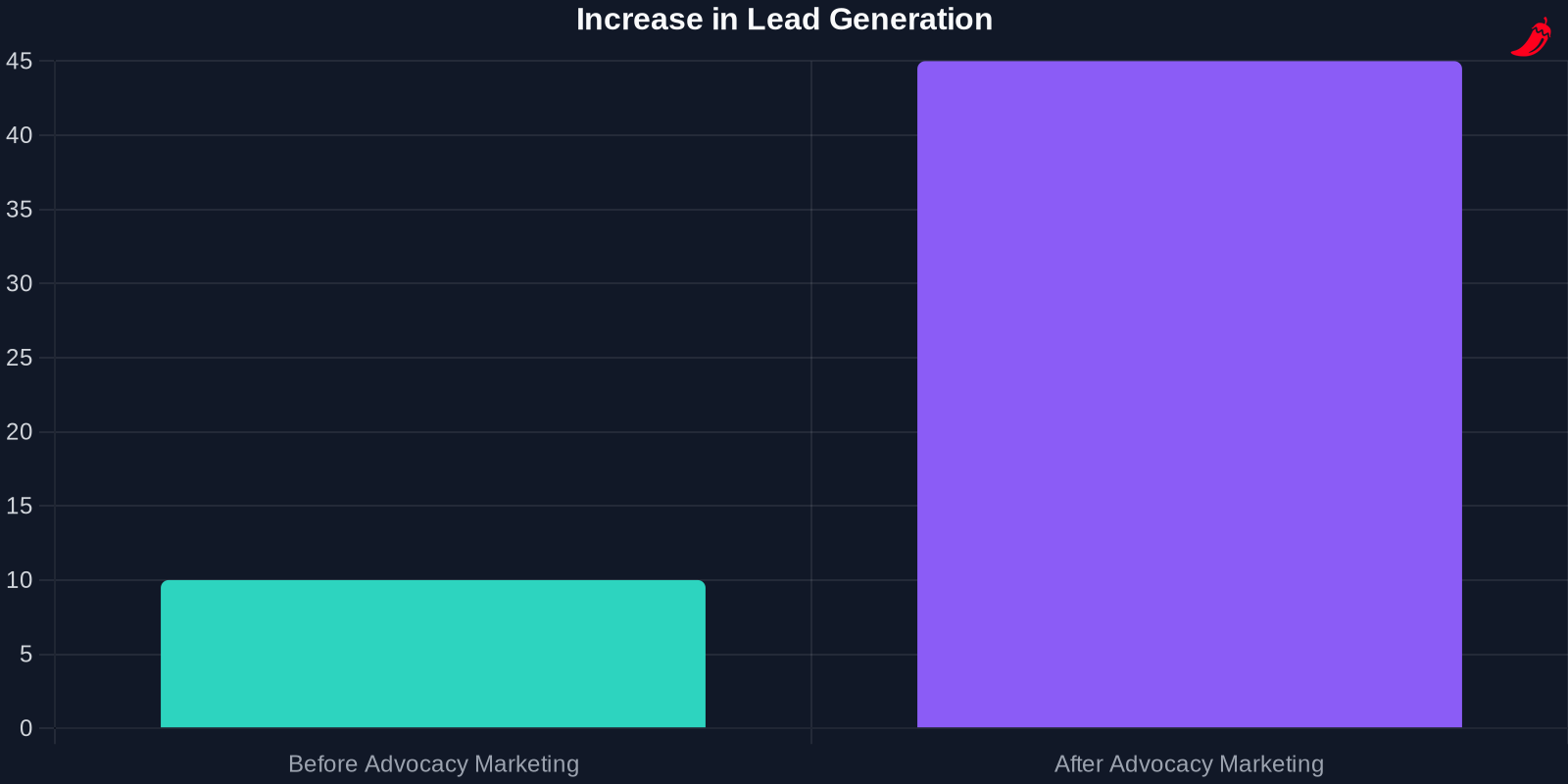
- Lead Generation: Monitor the number of MQLs and SQLs generated through advocacy marketing efforts.
- Engagement Rates: Track likes, shares, comments, and other forms of engagement on social media and other platforms.
- Conversion Rates: Measure the percentage of leads that convert into paying customers.
- Customer Lifetime Value (CLV): Assess the long-term value of customers acquired through advocacy marketing.
| Metric | Before Advocacy Marketing | After Advocacy Marketing |
|---|---|---|
| Lead Generation | 10% | 45% |
| Engagement Rates | 5% | 25% |
| Conversion Rates | 2% | 10% |
| Customer Lifetime Value | $500 | $2000 |
Case Studies: Success Stories in Advocacy Marketing
Case Study 1: Tech Company X
Tech Company X implemented an advocacy marketing strategy that focused on customer testimonials and case studies. By leveraging the voices of their satisfied customers, they saw a 50% increase in lead generation and a 30% increase in conversion rates within six months.
Case Study 2: Healthcare Provider Y
Healthcare Provider Y empowered their employees to become brand ambassadors. Through a series of workshops and training sessions, employees were encouraged to share company news and successes on their personal social media networks. This resulted in a 40% increase in engagement rates and a 25% increase in customer lifetime value.
Key Takeaways
Conclusion
B2B advocacy marketing is a powerful strategy that can transform your growth efforts in 2026. By leveraging the voices of satisfied customers, employees, and industry influencers, you can build trust, enhance credibility, and drive significant growth in MQLs, SQLs, and pipeline growth.
To get started with your advocacy marketing strategy, consider leveraging tools like PepperInsight.com to scan news articles, extract qualified leads, and generate personalized outreach messages with AI precision. With the right approach and tools, advocacy marketing can become a cornerstone of your B2B growth strategy.