Future of B2B Lead Generation: 12 Trends Reshaping Strategies in 2026

Future of B2B Lead Generation: 12 Trends Reshaping Strategies in 2026
The landscape of B2B lead generation is evolving rapidly, with new technologies and strategies emerging to meet the demands of an increasingly digital marketplace. By 2026, the B2B lead generation market is expected to undergo significant transformations, driven by advancements in AI, data analytics, and automation.
The Evolution of B2B Lead Generation
B2B lead generation has come a long way from traditional cold calling and email campaigns. Today, businesses leverage sophisticated tools and strategies to identify and nurture potential leads. The integration of AI and machine learning has revolutionized how companies approach lead generation, making processes more efficient and targeted.
From Cold Calls to AI-Driven Strategies
In the past, sales teams relied heavily on cold calling and mass email campaigns to generate leads. These methods were often time-consuming and yielded low conversion rates. With the advent of AI and data analytics, businesses can now identify high-quality leads with greater precision, significantly improving conversion rates and sales efficiency.
Key Trends in B2B Lead Generation for 2026
As we look ahead to 2026, several key trends are poised to reshape the B2B lead generation landscape. These trends leverage cutting-edge technologies and innovative approaches to enhance lead quality and conversion rates.
AI Automation
AI automation is set to play a pivotal role in B2B lead generation. By automating repetitive tasks and analyzing vast amounts of data, AI can identify potential leads, predict their behavior, and personalize outreach efforts. This not only saves time but also ensures that sales teams focus on the most promising prospects.
GEO and Signal-Based Selling
GEO (Geographic) and signal-based selling are emerging as powerful strategies for B2B lead generation. By analyzing geographic data and behavioral signals, businesses can tailor their sales efforts to specific regions and target leads based on their online behavior and engagement patterns.
RevOps Alignment
RevOps (Revenue Operations) alignment is becoming increasingly important for B2B lead generation. By aligning sales, marketing, and customer service teams, businesses can create a seamless and efficient lead generation process. This holistic approach ensures that all departments work towards the same goals, improving overall performance and revenue growth.
The Role of Data Analytics
Data analytics is a critical component of modern B2B lead generation strategies. By leveraging data, businesses can gain valuable insights into their target audience, identify trends, and make data-driven decisions. This not only enhances lead quality but also improves conversion rates and sales efficiency.
Predictive Analytics
Predictive analytics uses historical data and machine learning algorithms to forecast future trends and behaviors. In the context of B2B lead generation, predictive analytics can help businesses identify potential leads, predict their likelihood of conversion, and tailor their sales efforts accordingly.
Customer Segmentation
Customer segmentation involves dividing a company's target audience into distinct groups based on specific criteria such as demographics, behavior, and preferences. By segmenting their audience, businesses can create more targeted and personalized marketing campaigns, improving lead quality and conversion rates.
The Impact of AI on Lead Generation
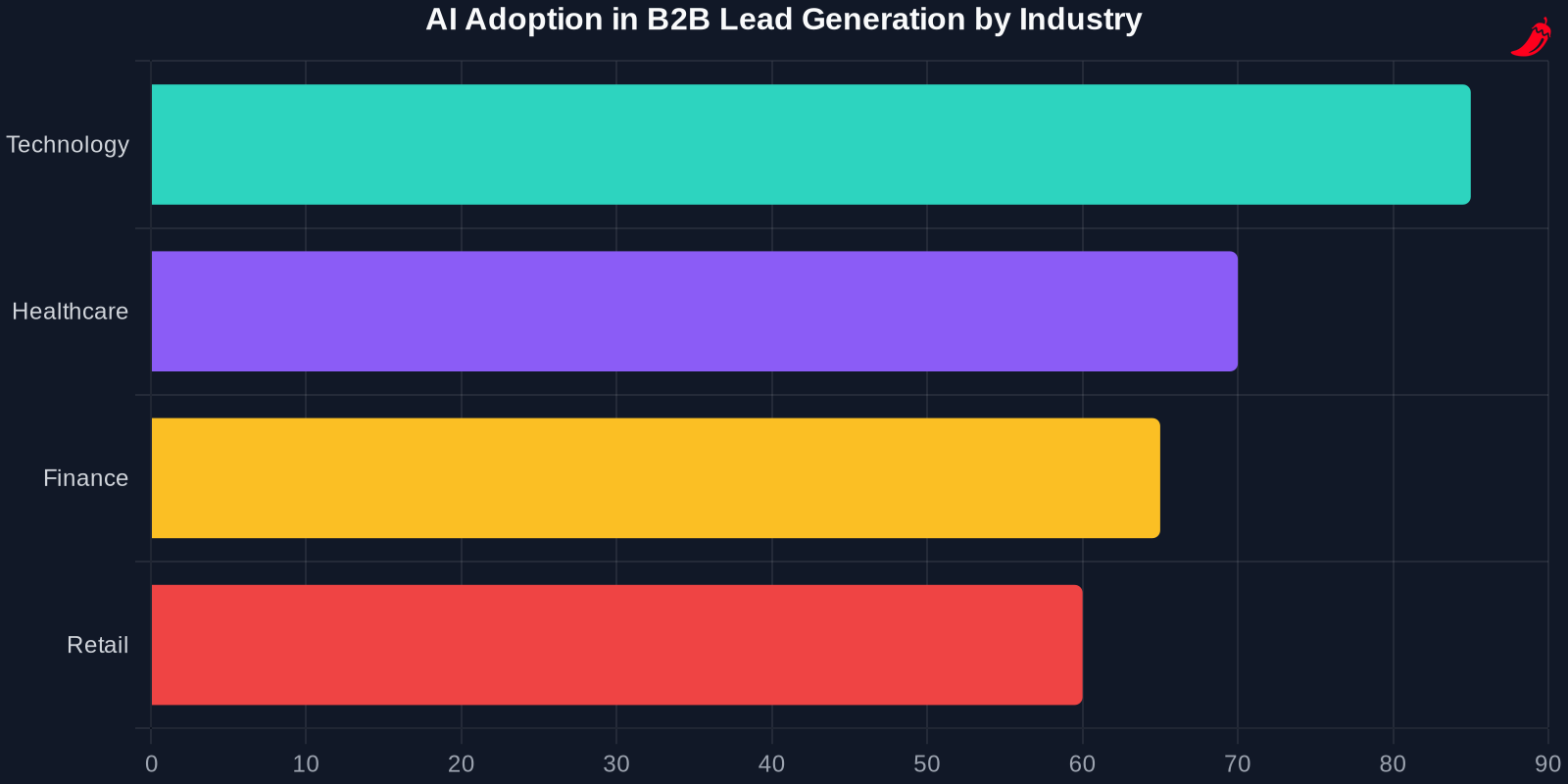
AI is transforming the B2B lead generation landscape in numerous ways. From automating repetitive tasks to analyzing vast amounts of data, AI can enhance the efficiency and effectiveness of lead generation efforts. By leveraging AI, businesses can identify high-quality leads, predict their behavior, and personalize their outreach efforts.
AI-Powered Chatbots
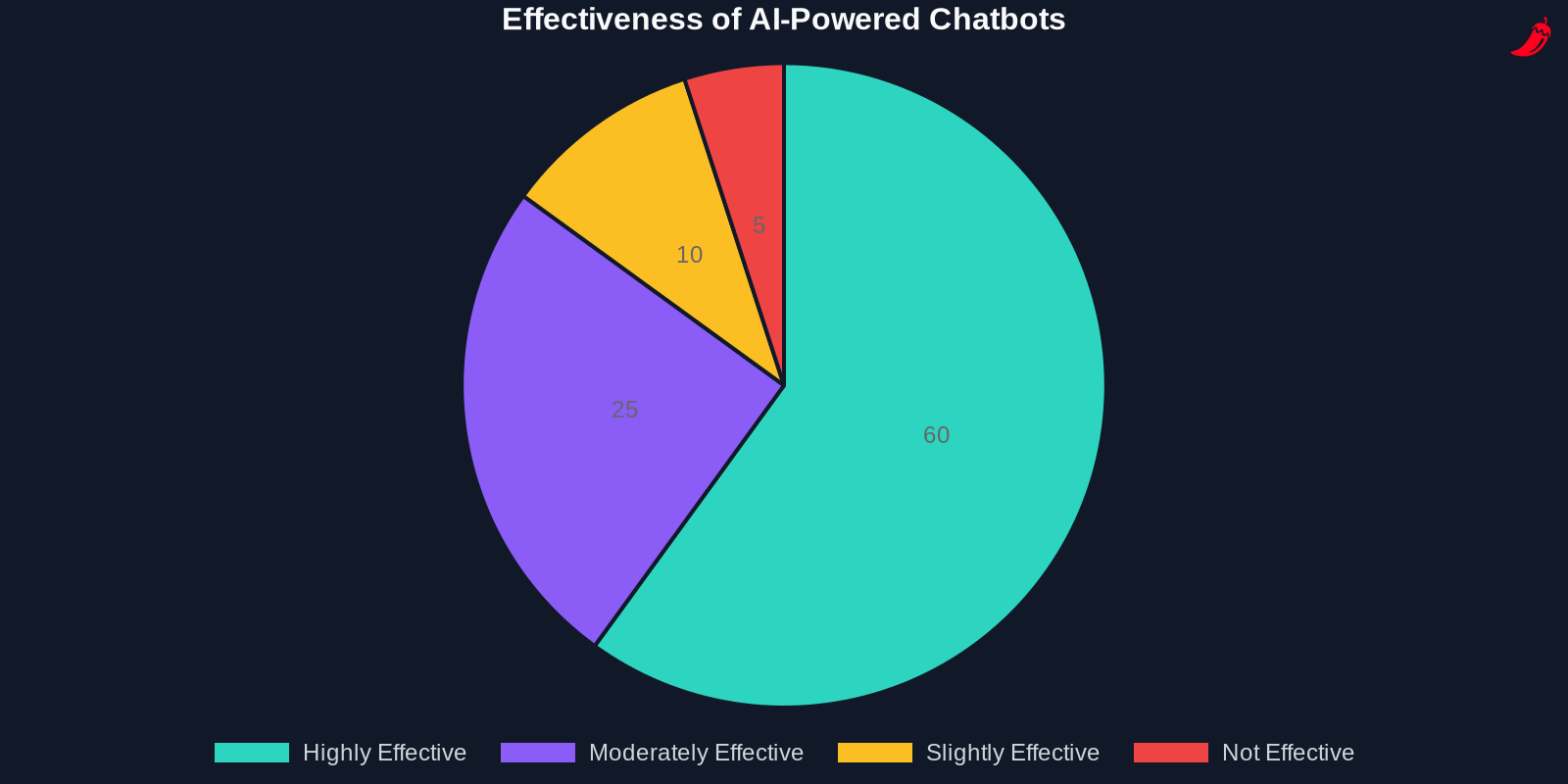
AI-powered chatbots are becoming increasingly popular for B2B lead generation. These chatbots can engage with potential leads in real-time, answer their questions, and provide valuable information. By leveraging AI-powered chatbots, businesses can improve customer engagement and generate more qualified leads.
AI-Driven Content Personalization
AI-driven content personalization involves using AI algorithms to tailor content to individual leads based on their behavior, preferences, and engagement patterns. By personalizing content, businesses can create more relevant and engaging marketing campaigns, improving lead quality and conversion rates.
The Future of B2B Lead Generation
The future of B2B lead generation is bright, with numerous trends and technologies poised to reshape the landscape. From AI automation to GEO and signal-based selling, businesses have a wealth of strategies at their disposal to enhance lead quality and conversion rates.
The Role of AI and Machine Learning
AI and machine learning will continue to play a pivotal role in B2B lead generation. By leveraging these technologies, businesses can automate repetitive tasks, analyze vast amounts of data, and personalize their outreach efforts. This not only saves time but also ensures that sales teams focus on the most promising prospects.
The Importance of Data-Driven Decision-Making
Data-driven decision-making will become increasingly important for B2B lead generation. By leveraging data analytics, businesses can gain valuable insights into their target audience, identify trends, and make informed decisions. This not only enhances lead quality but also improves conversion rates and sales efficiency.
Conclusion
The future of B2B lead generation is evolving rapidly, driven by advancements in AI, data analytics, and automation. By embracing these trends and technologies, businesses can enhance their lead generation efforts, improve conversion rates, and drive revenue growth. As we look ahead to 2026, it is clear that the companies that leverage these innovative strategies will be the ones that thrive in the competitive B2B landscape.
The future of B2B lead generation lies in the seamless integration of AI, data analytics, and automation, creating a more efficient and effective sales process.