Revolutionizing Lead Generation: AI-Powered Buyer Probability Scoring

Revolutionizing Lead Generation: AI-Powered Buyer Probability Scoring
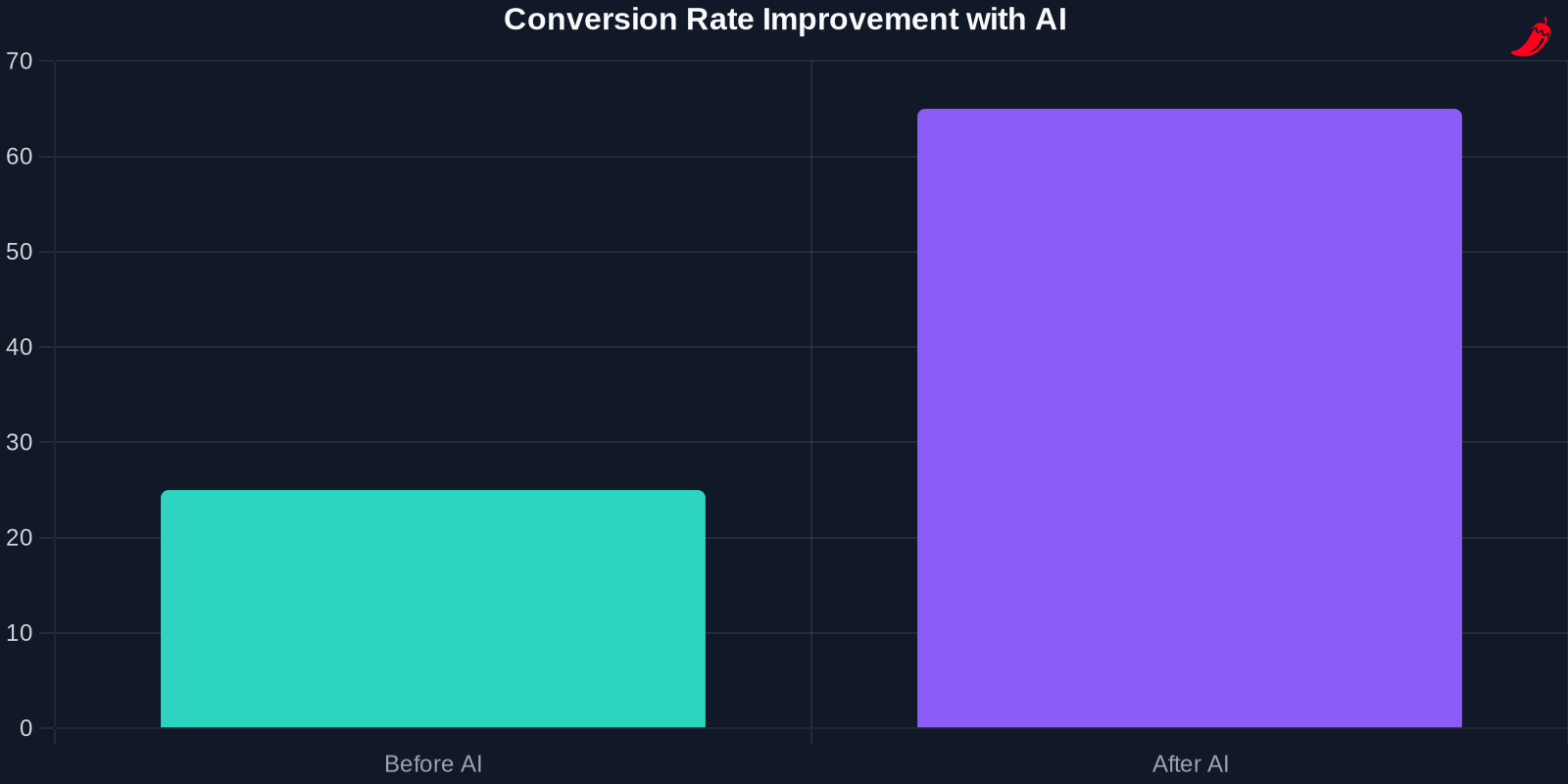
In the rapidly evolving landscape of digital marketing, businesses are constantly seeking innovative solutions to enhance their lead generation strategies. The introduction of AI-powered buyer probability scoring marks a significant milestone in this journey, promising to revolutionize how companies identify and engage potential customers. According to recent studies, companies leveraging AI in their marketing strategies have seen a substantial increase in conversion rates, making this technology a game-changer in the industry.
Understanding Buyer Probability Scoring
Buyer probability scoring is a sophisticated method that uses artificial intelligence to evaluate the likelihood of a prospect making a purchase. This scoring system analyzes various data points, including behavioral patterns, engagement levels, and demographic information, to assign a probability score to each lead. The higher the score, the more likely the prospect is to convert into a paying customer.
How AI Enhances Buyer Probability Scoring
AI brings a new level of precision and efficiency to buyer probability scoring. Traditional methods rely heavily on manual data entry and analysis, which can be time-consuming and prone to human error. AI, on the other hand, automates this process, ensuring accuracy and speed. Here are some key ways AI enhances buyer probability scoring:
- Data Analysis: AI algorithms can process vast amounts of data in real-time, identifying patterns and trends that might be missed by human analysts.
- Predictive Analytics: AI uses predictive analytics to forecast future buying behaviors based on historical data, providing a more accurate probability score.
- Personalization: AI can tailor marketing messages and offers to individual prospects, increasing the chances of conversion.
The Impact of AI on Lead Generation
The integration of AI into lead generation strategies has had a profound impact on the efficiency and effectiveness of marketing campaigns. Companies that have adopted AI-driven lead generation techniques have reported significant improvements in their conversion rates and overall sales performance.
Case Study: Success with AI-Driven Lead Generation
A recent case study highlighted the success of a company that implemented AI-powered buyer probability scoring. The company saw a 40% increase in conversion rates within the first three months of adoption. This success story underscores the potential of AI to transform lead generation strategies and drive business growth.
Implementing AI-Powered Buyer Probability Scoring
Implementing AI-powered buyer probability scoring requires a strategic approach to ensure seamless integration and maximum effectiveness. Here are some steps to consider:
- Data Collection: Gather comprehensive data on your existing customers and prospects. This data will serve as the foundation for your AI algorithms.
- AI Integration: Choose an AI platform that aligns with your business needs and integrate it into your existing marketing systems.
- Training and Testing: Train your AI models using historical data and test their accuracy before full-scale implementation.
- Monitoring and Optimization: Continuously monitor the performance of your AI models and make necessary adjustments to optimize their effectiveness.
Overcoming Challenges in AI-Driven Lead Generation
While AI-powered buyer probability scoring offers numerous benefits, it also presents certain challenges that businesses need to address. Understanding these challenges and developing strategies to overcome them is essential for successful implementation.
Common Challenges and Solutions
- Data Privacy Concerns: Ensure compliance with data privacy regulations and implement robust security measures to protect customer data.
- Integration Issues: Work with experienced AI vendors who can provide seamless integration with your existing systems.
- Model Accuracy: Regularly update and refine your AI models to maintain their accuracy and relevance.
| Challenge | Solution | Impact |
|---|---|---|
| Data Privacy Concerns | Compliance and Security Measures | Enhanced Customer Trust |
| Integration Issues | Experienced AI Vendors | Seamless Implementation |
| Model Accuracy | Regular Updates and Refinement | Improved Predictive Performance |
The Future of AI in Lead Generation
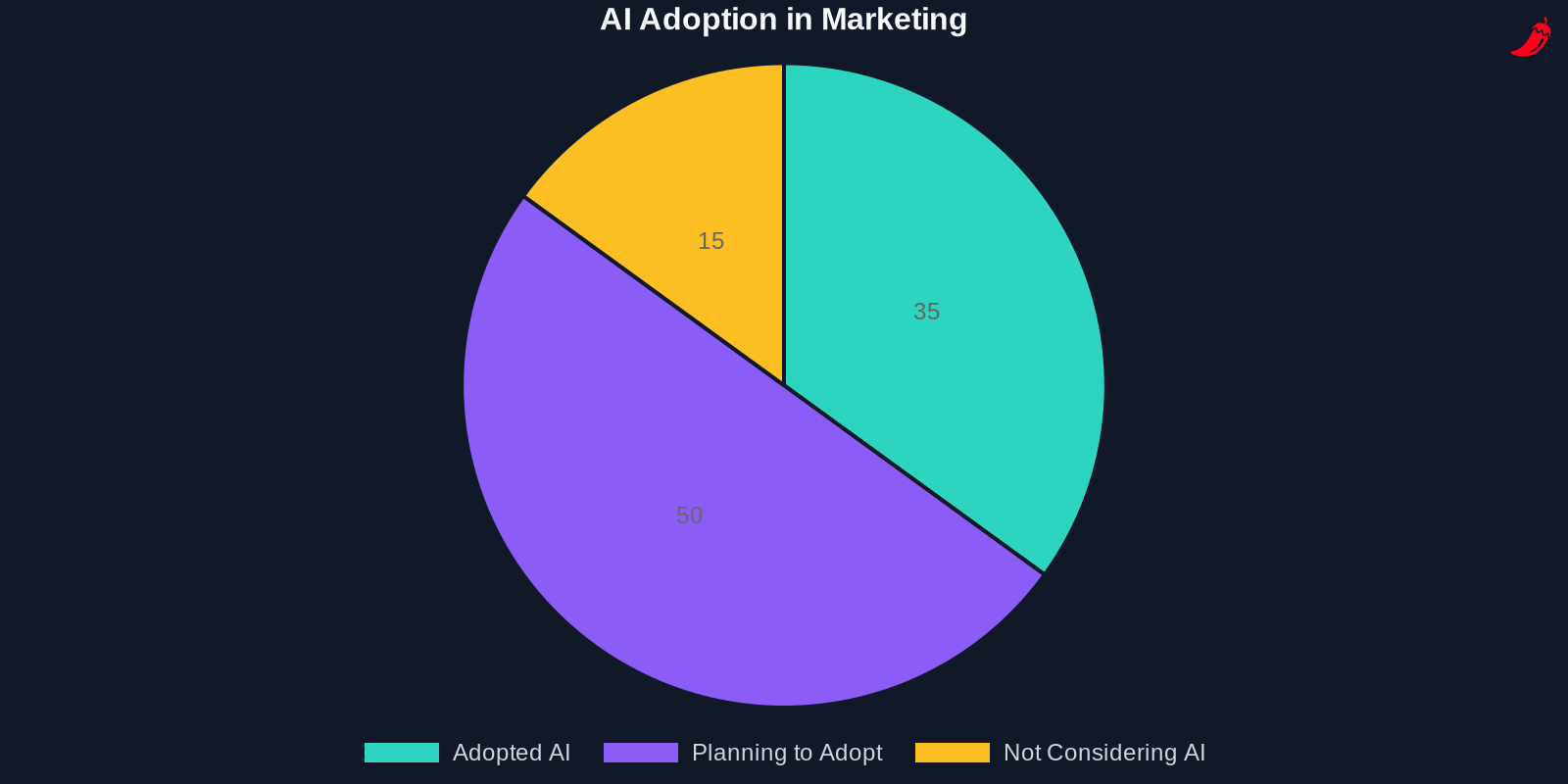
The future of AI in lead generation looks promising, with continuous advancements in technology paving the way for even more sophisticated and effective solutions. As AI algorithms become more refined and capable of processing larger datasets, the accuracy and efficiency of buyer probability scoring will only improve.
Emerging Trends in AI-Driven Lead Generation
- Advanced Predictive Analytics: Future AI models will leverage advanced predictive analytics to provide even more accurate probability scores.
- Enhanced Personalization: AI will enable hyper-personalized marketing messages and offers, tailored to the unique preferences and behaviors of individual prospects.
- Integration with Other Technologies: AI will increasingly integrate with other emerging technologies, such as blockchain and the Internet of Things (IoT), to provide a more comprehensive and secure lead generation solution.
The future of AI in lead generation is bright, with continuous advancements in technology driving even greater accuracy and efficiency in buyer probability scoring.
Conclusion
AI-powered buyer probability scoring represents a significant leap forward in the field of lead generation. By leveraging the power of artificial intelligence, businesses can enhance the accuracy and efficiency of their lead generation strategies, ultimately driving higher conversion rates and sales performance. As technology continues to evolve, the potential for AI in lead generation will only grow, offering even more sophisticated and effective solutions for businesses.
For companies looking to stay ahead of the curve, embracing AI-driven lead generation techniques is not just an option—it's a necessity. By doing so, businesses can position themselves for long-term success and growth in an increasingly competitive marketplace.