The Future of AI Infrastructure: Market Trends and Growth Opportunities

The Future of AI Infrastructure: Market Trends and Growth Opportunities

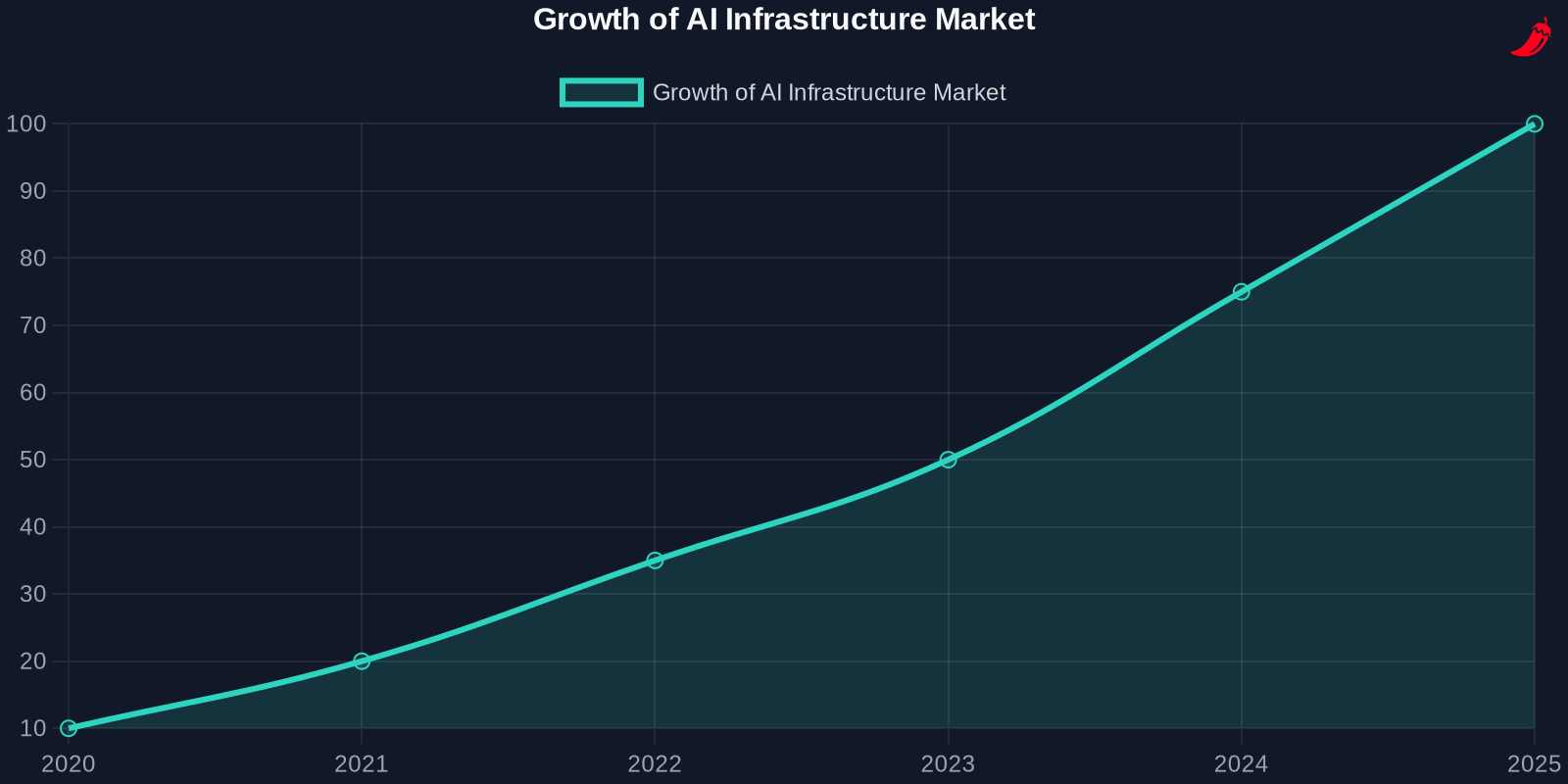
The AI infrastructure market is poised for unprecedented growth. With the U.S. artificial intelligence (AI) infrastructure market size calculated at USD 23.06 billion in 2025 and predicted to attain around USD 165.7 billion in the coming years, the potential for businesses to leverage AI for enhanced efficiency and innovation has never been greater.
Understanding AI Infrastructure
AI infrastructure refers to the foundational hardware and software components that enable the development, deployment, and operation of AI systems. This includes data centers, cloud computing platforms, and specialized hardware like GPUs and TPUs.
Key Components of AI Infrastructure
- Hardware: GPUs, TPUs, and other specialized processors.
- Software: AI frameworks, libraries, and development tools.
- Data Centers: Facilities that house the physical hardware.
- Cloud Platforms: Services that provide scalable computing resources.
Market Trends in AI Infrastructure
The AI infrastructure market is evolving rapidly, driven by advancements in technology and increasing demand for AI solutions across various industries.
Growth Drivers
- Increased Data Generation: The exponential growth of data requires robust infrastructure.
- Advancements in AI Technologies: Innovations in AI algorithms and models.
- Cloud Computing: The shift to cloud-based AI solutions.
- Edge Computing: The need for AI processing at the edge of networks.
Industry Adoption
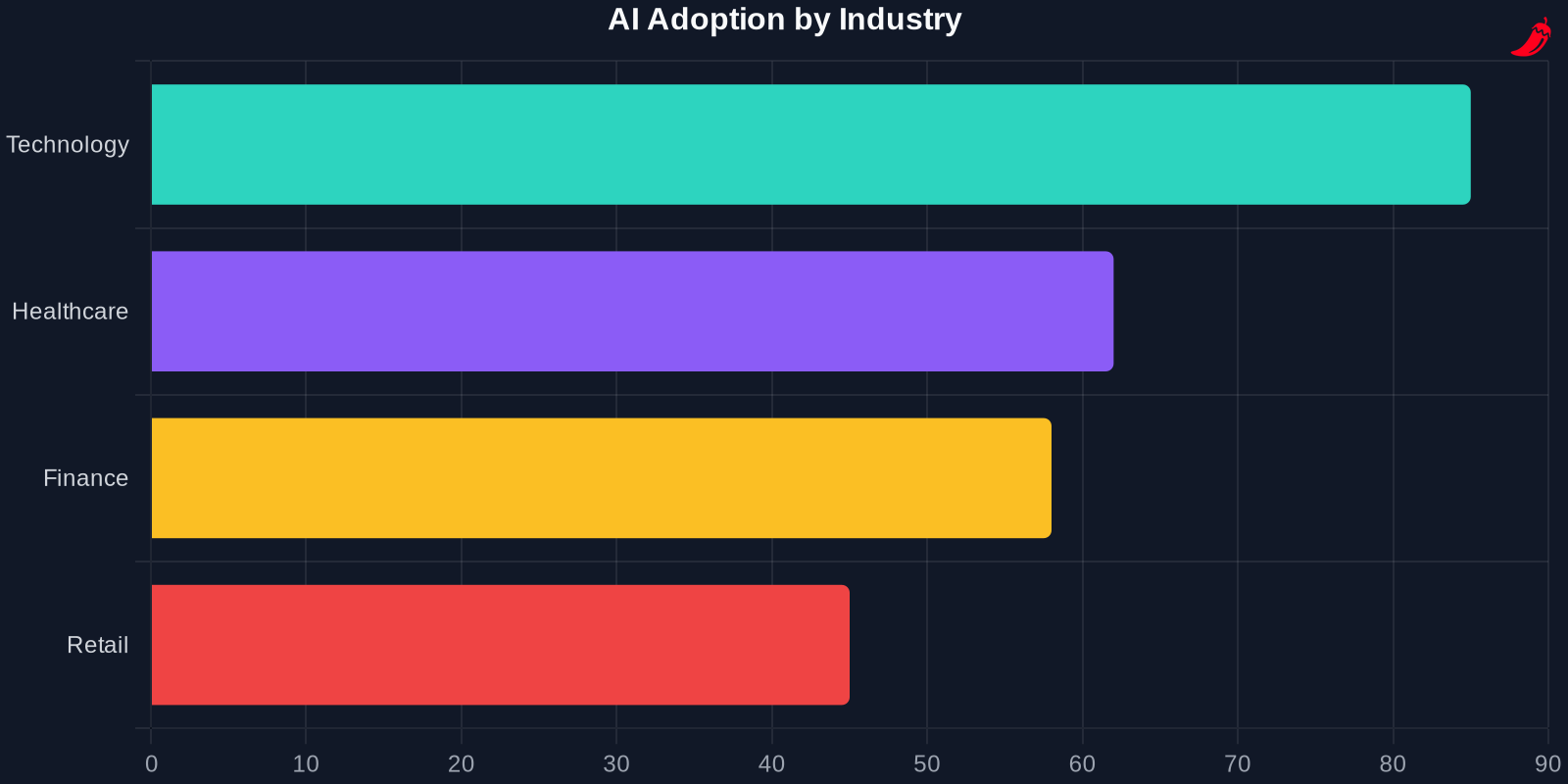
Various industries are adopting AI infrastructure to enhance their operations and drive innovation. The technology sector leads the way, followed by healthcare, finance, and retail.
Benefits of AI Infrastructure
Investing in AI infrastructure offers numerous benefits for businesses, including improved efficiency, enhanced decision-making, and increased innovation.
Improved Efficiency
AI infrastructure enables businesses to automate routine tasks, reducing the need for manual intervention and increasing operational efficiency.
Enhanced Decision-Making
By leveraging AI, businesses can analyze vast amounts of data to derive meaningful insights, leading to better decision-making.
Increased Innovation
AI infrastructure fosters innovation by providing the tools and resources needed to develop and deploy cutting-edge AI solutions.
AI infrastructure is not just about technology; it's about transforming businesses and driving growth.
Challenges and Solutions
While the benefits of AI infrastructure are clear, businesses also face several challenges in its adoption and implementation.
Common Challenges
- High Costs: The initial investment in AI infrastructure can be substantial.
- Complexity: Implementing AI solutions requires specialized knowledge and skills.
- Data Security: Ensuring the security and privacy of data is crucial.
Overcoming Challenges
Businesses can overcome these challenges by partnering with experienced AI infrastructure providers, investing in training and development, and implementing robust security measures.
| Challenge | Solution | Impact |
|---|---|---|
| High Costs | Partner with AI providers | Reduced initial investment |
| Complexity | Invest in training | Enhanced skills and knowledge |
| Data Security | Implement security measures | Improved data protection |
Case Studies
Several businesses have successfully leveraged AI infrastructure to drive growth and innovation. For example, a leading technology company used AI to automate its customer service operations, resulting in a 30% increase in efficiency.
Healthcare Industry
In the healthcare industry, AI infrastructure has enabled the development of advanced diagnostic tools, improving patient outcomes and reducing costs.
Finance Industry
The finance industry has leveraged AI infrastructure to enhance fraud detection and risk management, leading to increased security and compliance.
Future Outlook
The future of AI infrastructure is bright, with continued advancements in technology and increasing adoption across various industries. Businesses that invest in AI infrastructure today will be well-positioned to drive growth and innovation in the future.
Emerging Trends
- AI-Powered Automation: The use of AI to automate routine tasks and processes.
- Edge AI: The deployment of AI at the edge of networks for real-time processing.
- Explainable AI: The development of AI models that are transparent and interpretable.
Predictions
By 2030, the AI infrastructure market is expected to reach new heights, driven by advancements in technology and increasing demand for AI solutions. Businesses that invest in AI infrastructure today will be well-positioned to capitalize on these trends.
Conclusion
The AI infrastructure market is poised for unprecedented growth, offering numerous benefits for businesses across various industries. By investing in AI infrastructure, businesses can improve efficiency, enhance decision-making, and drive innovation.
For more insights and practical guidance tailored to modern audit and accounting work, visit the Caseware resource center.
To learn how PepperInsight.com can help your business leverage AI for enhanced efficiency and innovation, contact us today.