The Future of GTM Organizations: Leaner, Flatter, and More Efficient

The Future of GTM Organizations: Leaner, Flatter, and More Efficient
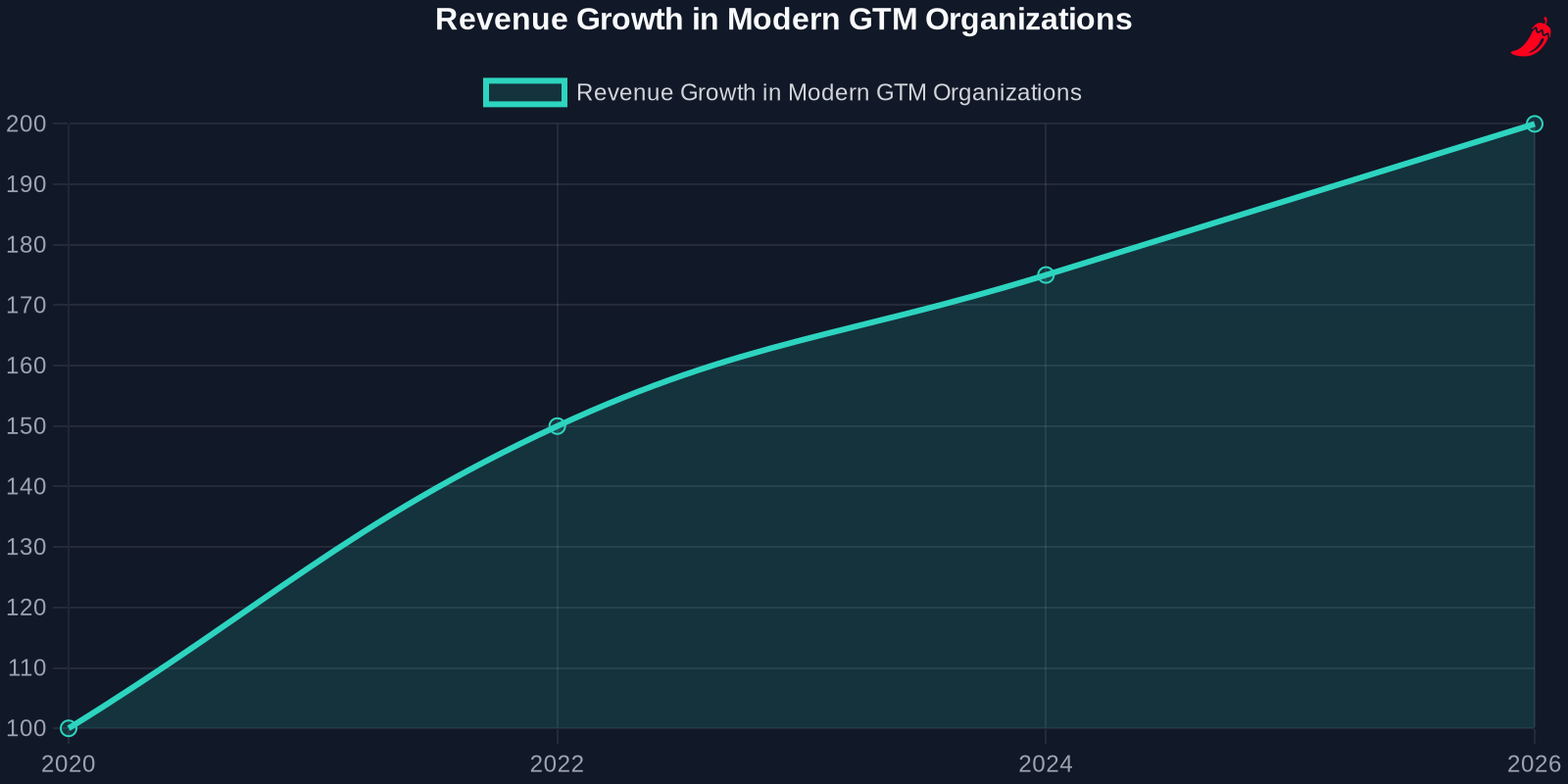
The landscape of Go-To-Market (GTM) organizations is undergoing a significant transformation. By 2026, GTM structures are expected to be 20-30% leaner and 9x flatter, driving approximately 2x more net new revenue per representative. This evolution is not just a trend but a strategic shift that companies must embrace to stay competitive.
Understanding the Modern GTM Organization
The modern GTM organization is characterized by its efficiency and agility. Companies are moving away from traditional hierarchical structures to more streamlined and responsive models. This shift is driven by the need to adapt quickly to market changes and customer demands.
Key Characteristics
- Leaner Teams: Organizations are reducing redundancies and focusing on core competencies.
- Flatter Hierarchies: Fewer management layers enable faster decision-making and greater accountability.
- Increased Revenue per Rep: With leaner teams, each representative is expected to contribute more significantly to the bottom line.
The Role of Marketing in Modern GTM
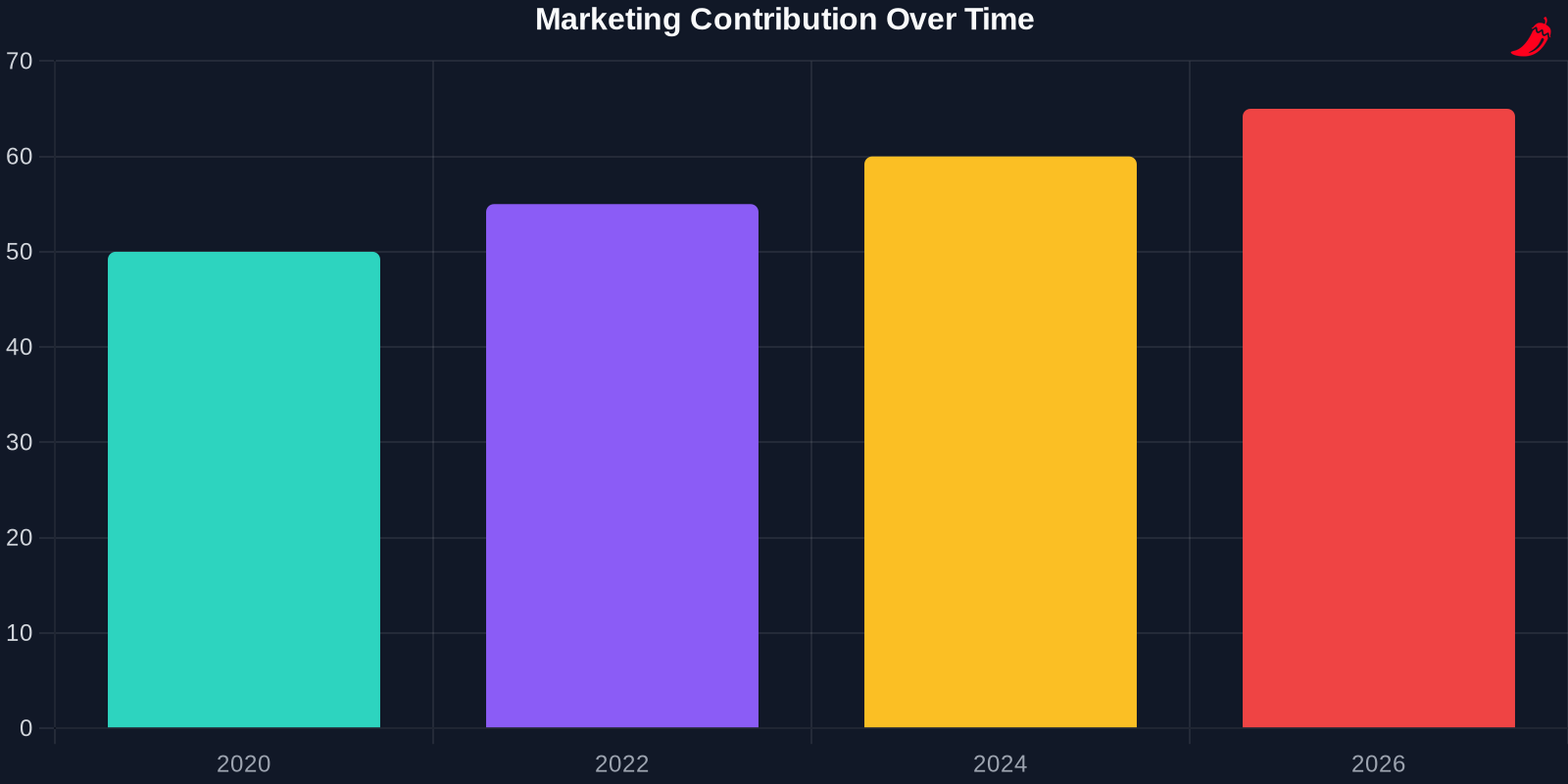
Marketing is playing an increasingly crucial role in GTM strategies. By 2026, marketing's contribution is expected to rise to 65%, up from 50% in previous years. This shift underscores the importance of a strong marketing function in driving revenue growth.
Marketing Strategies
- Digital Transformation: Leveraging digital channels to reach and engage customers.
- Data-Driven Decisions: Using data analytics to inform marketing strategies and measure effectiveness.
- Customer-Centric Approach: Focusing on customer needs and preferences to tailor marketing efforts.
Benefits of a Leaner GTM Organization
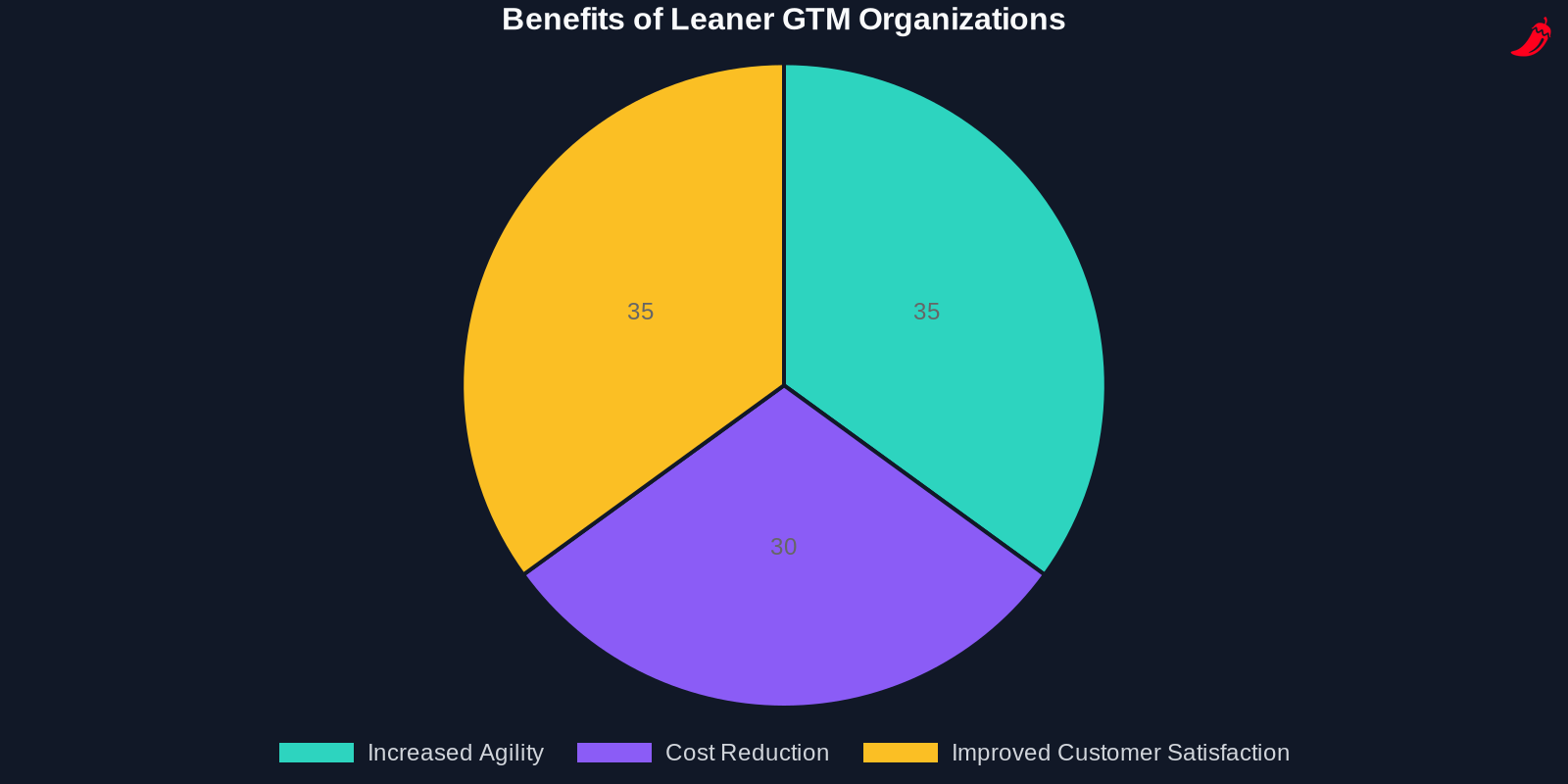
Adopting a leaner GTM structure offers numerous benefits, including increased agility, reduced costs, and improved customer satisfaction. Companies that embrace this model can respond more quickly to market changes and customer needs.
Key Benefits
- Increased Agility: Faster decision-making and implementation of strategies.
- Cost Reduction: Lower operational costs due to reduced redundancies.
- Improved Customer Satisfaction: More responsive and tailored customer interactions.
The future of GTM organizations lies in their ability to be lean, agile, and customer-centric.
Challenges and Solutions
While the benefits are significant, transitioning to a leaner GTM organization also presents challenges. Companies must carefully plan and execute their transformation strategies to avoid potential pitfalls.
Common Challenges
- Resistance to Change: Employees may resist changes to established structures and processes.
- Skill Gaps: New roles and responsibilities may require additional training and development.
- Integration Issues: Ensuring seamless integration of new processes and technologies.
Solutions
- Change Management: Implementing effective change management strategies to ease the transition.
- Training and Development: Investing in employee training to bridge skill gaps.
- Technology Integration: Leveraging technology to streamline processes and improve efficiency.
Case Studies
Several companies have successfully transitioned to leaner GTM organizations, providing valuable insights and best practices for others to follow.
Company A
Company A, a leading technology firm, reduced its GTM team by 25% and increased revenue per representative by 2x. This was achieved through a combination of digital transformation, data-driven decision-making, and a customer-centric approach.
Company B
Company B, a healthcare provider, streamlined its GTM organization by 30% and improved customer satisfaction scores by 15%. The company focused on reducing redundancies, investing in employee training, and leveraging technology to enhance efficiency.
| Metric | Before | After |
|---|---|---|
| Team Size | 100 | 75 |
| Revenue per Rep | $500K | $1M |
| Customer Satisfaction | 85% | 92% |
| Decision-Making Time | 2 weeks | 3 days |
Future Trends
The evolution of GTM organizations is an ongoing process, with several trends shaping the future landscape.
Emerging Trends
- AI and Automation: Increasing use of AI and automation to enhance efficiency and effectiveness.
- Customer Experience: Greater focus on delivering exceptional customer experiences.
- Data Analytics: Leveraging data analytics to drive decision-making and measure performance.
Conclusion
The future of GTM organizations lies in their ability to be lean, agile, and customer-centric. By embracing these changes, companies can drive significant revenue growth and improve customer satisfaction. The journey towards a modern GTM organization requires careful planning, effective change management, and continuous monitoring.
Key Takeaways
- The modern GTM organization is expected to be 20-30% leaner and 9x flatter by 2026.
- Marketing's contribution to GTM strategies is increasing, with a focus on digital transformation and data-driven decisions.
- Adopting a leaner GTM structure offers numerous benefits, including increased agility, reduced costs, and improved customer satisfaction.
- Successful transformation requires careful planning, effective change management, and continuous monitoring.
For more insights and personalized outreach messages, visit PepperInsight.com.