Unlocking Africa's Critical Minerals: The Tokenization Revolution

Unlocking Africa's Critical Minerals: The Tokenization Revolution
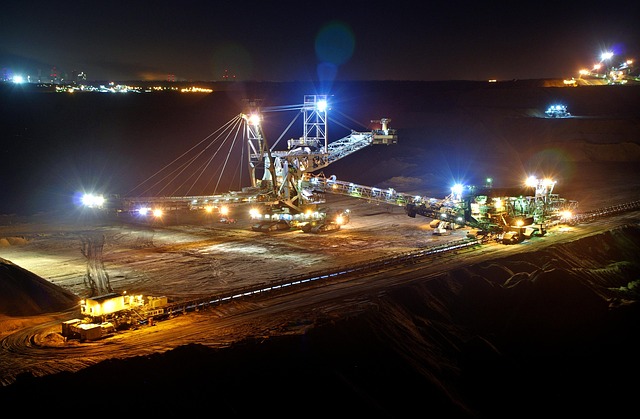
Africa sits on a goldmine - literally. The continent holds 30% of the world's critical minerals, yet struggles to access the capital needed to develop these resources. This paradox presents both a challenge and an opportunity for innovative financing solutions. Tokenization emerges as a transformative mechanism that could finally unlock Africa's mineral wealth for global markets.
The Critical Minerals Paradox
Africa's mineral wealth stands in stark contrast to its economic realities:
- The continent possesses vast reserves of cobalt, manganese, chromium, and platinum group metals
- These minerals are essential for green technologies and modern electronics
- Traditional financing models have failed to adequately tap into this potential
The current system creates a situation where mineral-rich countries see limited returns from their natural resources. Foreign companies often extract and export these minerals with minimal local processing or value addition. This leaves African nations with environmental impacts but limited economic benefits.
Understanding Tokenization
Tokenization represents the process of converting rights to an asset into a digital token on a blockchain. For critical minerals, this means:
- Digitizing ownership rights to mineral reserves
- Creating tradable tokens backed by physical mineral assets
- Enabling fractional ownership and investment
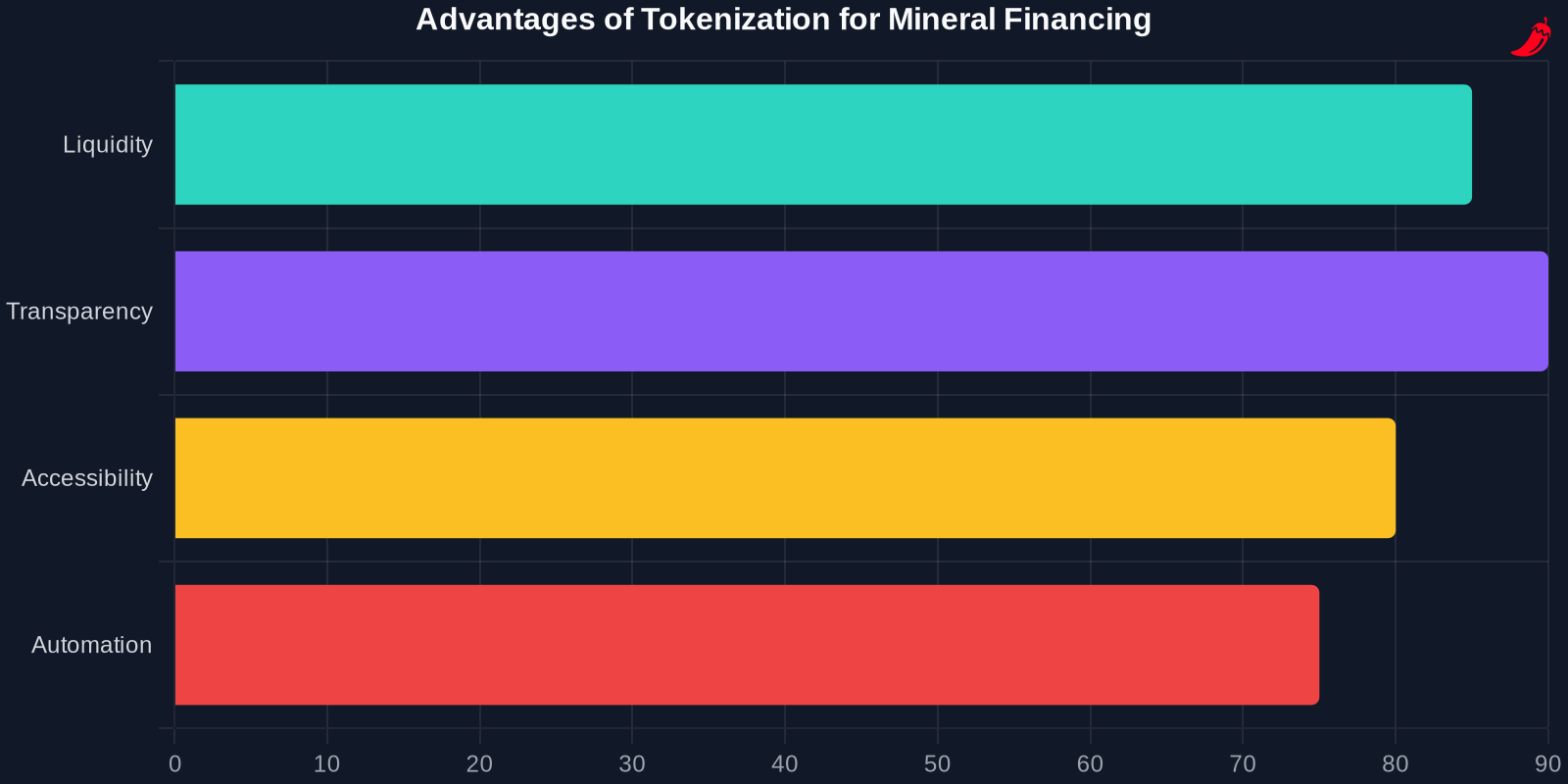
Tokenization offers several advantages over traditional financing methods:
- Increased liquidity for mineral assets
- Lower barriers to entry for investors
- Enhanced transparency in transactions
- Potential for automated compliance through smart contracts
The African Mineral Landscape
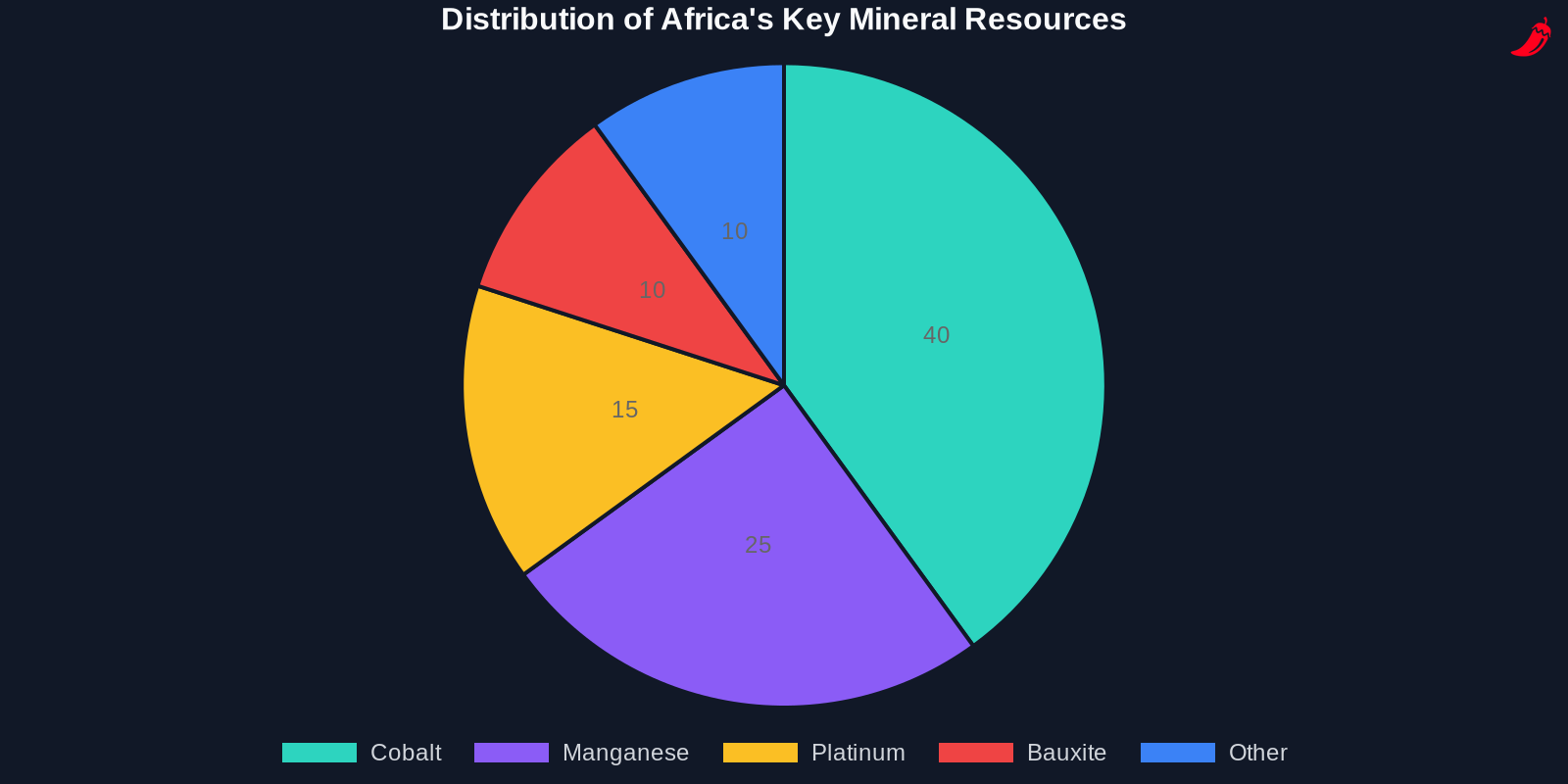
Africa's mineral wealth is both vast and diverse. The continent leads globally in several critical mineral categories:
- Cobalt: Essential for lithium-ion batteries, with the DRC producing 70% of global supply
- Manganese: Crucial for steel production, with South Africa holding 80% of known reserves
- Platinum Group Metals: Vital for catalytic converters and electronics
- Bauxite: Key aluminum ore found in Guinea, Ghana, and Cameroon
Despite this abundance, African nations face significant challenges:
- Lack of infrastructure for large-scale mining operations
- Difficulty accessing international capital markets
- Political and regulatory instability in some regions
- Environmental concerns and sustainability issues
Tokenization as a Financing Solution
Tokenization addresses many of these challenges by:
- Democratizing Access to Investment: Smaller investors can participate in mineral projects through fractional ownership.
- Enhancing Transparency: Blockchain technology provides immutable records of transactions and ownership.
- Improving Liquidity: Mineral-backed tokens can be traded on secondary markets.
- Enabling Smart Contracts: Automated compliance with regulations and revenue sharing agreements.
Case Studies and Emerging Models
Several innovative approaches demonstrate the potential of tokenization in the minerals sector:
1. The Canadian-Africa Node Chain
This emerging model connects Canadian mining expertise with African mineral resources through blockchain technology. The chain involves:
- Canadian regulatory oversight (NRCan)
- Major investment firms (Brookfield/BlackRock)
- Sovereign wealth funds from the Middle East and Asia
- African mineral producers
2. Private Equity Innovations
Firms like Actis demonstrate growing interest in African minerals. Their recent stake sales in mining operations show:
- Increasing valuation of African mineral assets
- Growing confidence in the sector's potential
- The need for innovative financing structures
Regulatory Considerations
Implementing tokenization requires navigating complex regulatory landscapes:
- Securities Regulations: Most jurisdictions require mineral-backed tokens to comply with securities laws
- Mining Licenses: Existing mining regulations must accommodate digital ownership models
- Cross-Border Transactions: International coordination on blockchain-based asset transfers
- Tax Implications: Clear frameworks for taxing tokenized mineral transactions
Africa's regulatory environment presents both challenges and opportunities. While some nations have progressive blockchain policies, others need to develop comprehensive frameworks to support tokenized mineral assets.
The Road Ahead
For tokenization to reach its full potential in Africa's critical minerals sector, several developments must occur:
- Infrastructure Development: Both physical mining infrastructure and digital blockchain networks
- Regulatory Harmonization: Aligning policies across African nations and with international standards
- Investor Education: Building understanding of tokenized assets among global investors
- Technology Adoption: Implementing blockchain solutions at scale across the mining value chain
Key Takeaways
Conclusion
Africa stands at the threshold of a mineral revolution. By embracing tokenization, the continent can unlock its vast mineral wealth while ensuring more equitable distribution of benefits. This transformation requires collaboration between governments, mining companies, technology providers, and investors.
As the world transitions to green energy solutions, Africa's critical minerals will play an increasingly vital role. Tokenization offers the mechanism to finance this transition while creating new economic opportunities across the continent.
For companies looking to explore opportunities in Africa's mineral sector, platforms like PepperInsight.com provide valuable market intelligence and lead generation services to identify potential partners and investment opportunities in this emerging space.
The future of Africa's critical minerals lies in innovative financing, transparent governance, and sustainable development - all enabled by the transformative power of tokenization.