Climate Risk Management Market to Reach $19.08 Billion by 2031

Climate Risk Management Market: A Comprehensive Analysis
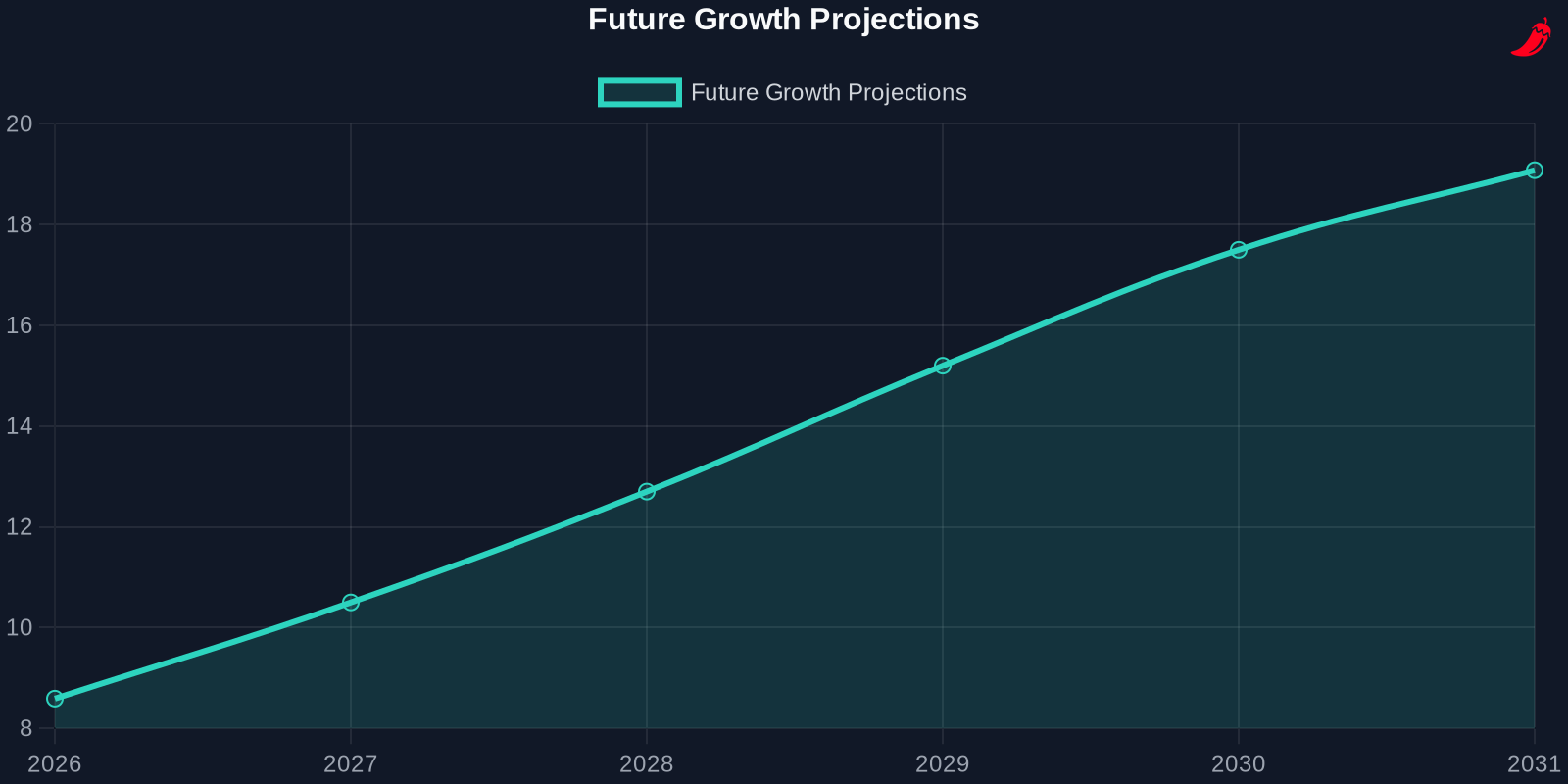
The climate risk management market is on an unprecedented growth trajectory. According to recent reports, the market is projected to grow from USD 8.59 billion in 2026 to USD 19.08 billion by 2031, reflecting a compound annual growth rate (CAGR) of 17.3%. This surge underscores the increasing recognition of climate risks and the urgent need for effective management strategies.
Understanding Climate Risk Management
Climate risk management involves identifying, assessing, and mitigating risks associated with climate change. These risks can be physical, such as extreme weather events, or transitional, such as changes in policy and technology. Effective climate risk management is crucial for businesses to ensure resilience and sustainability.
Key Components of Climate Risk Management
- Risk Identification: Recognizing potential climate-related risks that could impact operations.
- Risk Assessment: Evaluating the likelihood and potential impact of identified risks.
- Risk Mitigation: Implementing strategies to reduce the impact of climate risks.
- Monitoring and Reporting: Continuously tracking climate risks and reporting on mitigation efforts.
Market Growth and Forecast
The climate risk management market is witnessing significant growth. The market is expected to expand from USD 8.59 billion in 2026 to USD 19.08 billion by 2031. This growth is driven by several factors, including increasing regulatory requirements, growing awareness of climate risks, and the need for sustainable business practices.
Factors Driving Market Growth
- Regulatory Requirements: Governments worldwide are implementing stricter regulations to manage climate risks, pushing businesses to adopt comprehensive climate risk management strategies.
- Increasing Awareness: Businesses are becoming more aware of the potential impacts of climate change on their operations and are taking proactive measures.
- Technological Advancements: Innovations in technology are enabling more effective climate risk assessment and management.
- Investor Pressure: Investors are increasingly considering climate risks in their investment decisions, encouraging companies to improve their climate risk management practices.
Industry Trends and Insights
The climate risk management market is evolving rapidly, with several key trends shaping its future. These trends include the adoption of advanced technologies, the integration of climate risk management into overall business strategies, and the increasing use of data analytics.
Emerging Trends
- Adoption of AI and Machine Learning: These technologies are being used to enhance climate risk assessment and prediction capabilities.
- Integration with Business Strategies: Climate risk management is increasingly being integrated into overall business strategies, rather than being treated as a standalone function.
- Data Analytics: The use of data analytics is becoming more prevalent, enabling more accurate and timely climate risk assessments.
Climate risk management is no longer optional; it is a critical component of modern business strategy.
Regional Analysis
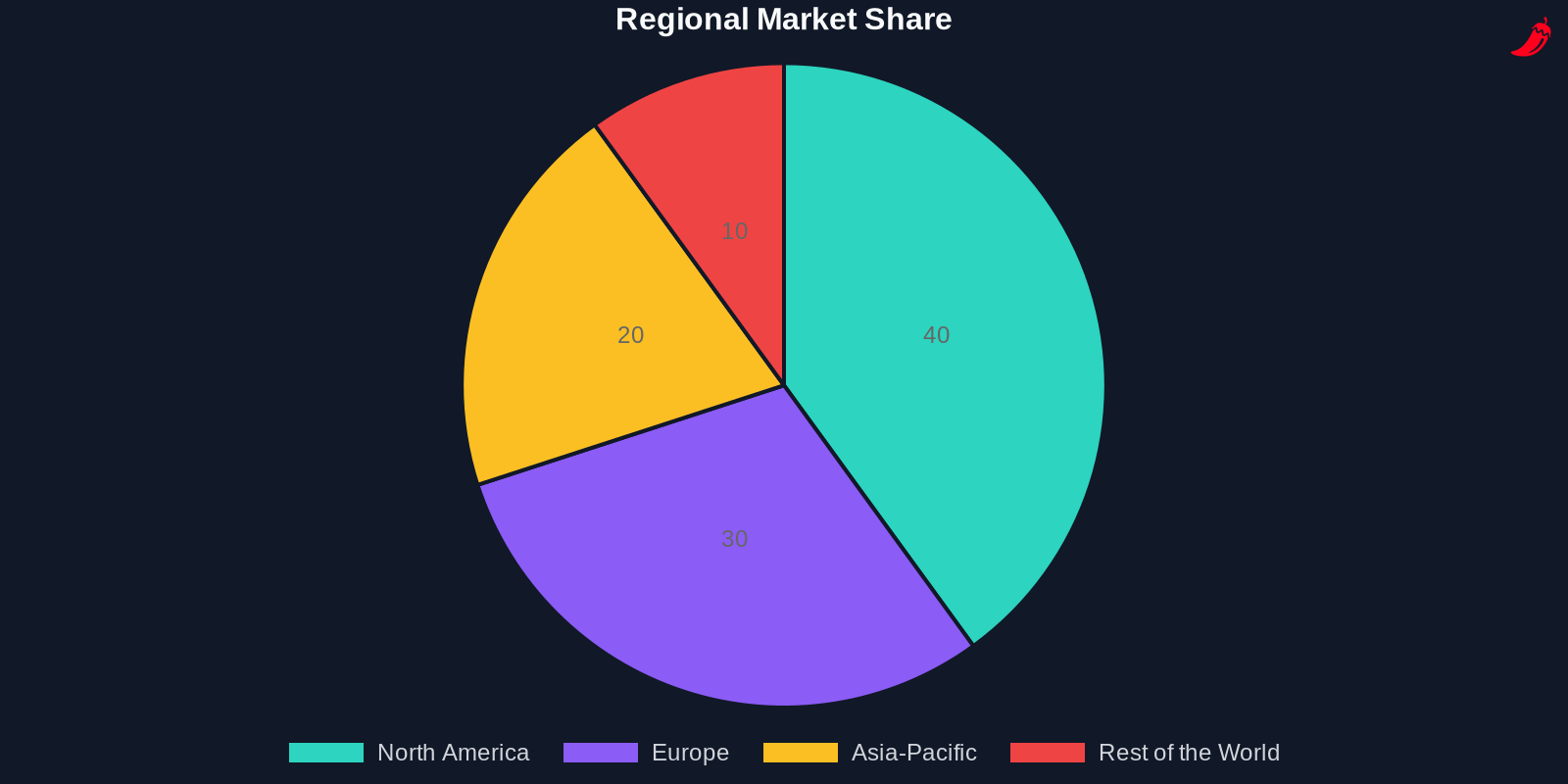
The climate risk management market is growing across various regions, with North America, Europe, and Asia-Pacific leading the way. Each region has its unique drivers and challenges, influencing the adoption and implementation of climate risk management practices.
Regional Market Share
Key Players and Competitive Landscape
The climate risk management market is characterized by the presence of several key players who are driving innovation and growth. These companies are investing heavily in research and development to enhance their climate risk management solutions.
Leading Companies
- Company A: Known for its advanced climate risk assessment tools.
- Company B: Specializes in climate risk mitigation strategies.
- Company C: Offers comprehensive climate risk management solutions.
Challenges and Opportunities
While the climate risk management market presents significant opportunities, it also faces several challenges. These include the complexity of climate risk assessment, the need for skilled professionals, and the high cost of implementing comprehensive climate risk management strategies.
Challenges
- Complexity of Assessment: Climate risk assessment is complex and requires specialized knowledge and tools.
- Skill Shortage: There is a shortage of skilled professionals with expertise in climate risk management.
- Implementation Costs: Implementing comprehensive climate risk management strategies can be costly.
Opportunities
- Technological Innovations: Advances in technology are creating new opportunities for more effective climate risk management.
- Growing Market Demand: The increasing recognition of climate risks is driving demand for climate risk management solutions.
- Regulatory Support: Governments are providing support and incentives for businesses to adopt climate risk management practices.
Future Outlook
The future of the climate risk management market looks promising, with significant growth expected in the coming years. Businesses that adopt comprehensive climate risk management strategies will be better positioned to navigate the challenges and opportunities presented by climate change.
Future Growth Projections
Conclusion
The climate risk management market is poised for substantial growth, driven by increasing regulatory requirements, growing awareness of climate risks, and technological advancements. Businesses that invest in comprehensive climate risk management strategies will be better equipped to manage climate risks and seize opportunities for innovation and growth.
For more insights and personalized outreach messages, visit PepperInsight.com.