How GTM Templates Are Revolutionizing Ad Tracking Post-OpenAI's Pixel Launch

How GTM Templates Are Revolutionizing Ad Tracking Post-OpenAI's Pixel Launch
In the rapidly evolving landscape of digital advertising, staying ahead of the curve is crucial. With OpenAI's recent launch of their Ads Pixel, marketers are faced with new opportunities and challenges. However, Google Tag Manager (GTM) templates are stepping in to fill the gaps, offering robust solutions for ad tracking and campaign optimization.
Understanding the Gap Left by OpenAI's Ads Pixel
OpenAI's Ads Pixel has introduced advanced capabilities for tracking and optimizing ad performance. However, it also presents certain limitations that marketers need to address. This is where GTM templates come into play, providing a comprehensive solution to bridge these gaps.
Key Limitations of OpenAI's Ads Pixel
- Limited Integration Options: OpenAI's Ads Pixel may not seamlessly integrate with all existing marketing tools and platforms.
- Complex Implementation: Setting up and managing the Ads Pixel can be complex and time-consuming.
- Data Privacy Concerns: Ensuring compliance with data privacy regulations can be challenging.
The Role of GTM Templates in Ad Tracking
GTM templates provide a streamlined approach to managing and deploying tracking tags, making it easier for marketers to monitor ad performance and gather valuable insights. By leveraging GTM templates, businesses can ensure that their ad tracking is both comprehensive and compliant with data privacy regulations.
Benefits of Using GTM Templates
- Simplified Implementation: GTM templates simplify the process of setting up and managing tracking tags.
- Enhanced Integration: They offer seamless integration with a wide range of marketing tools and platforms.
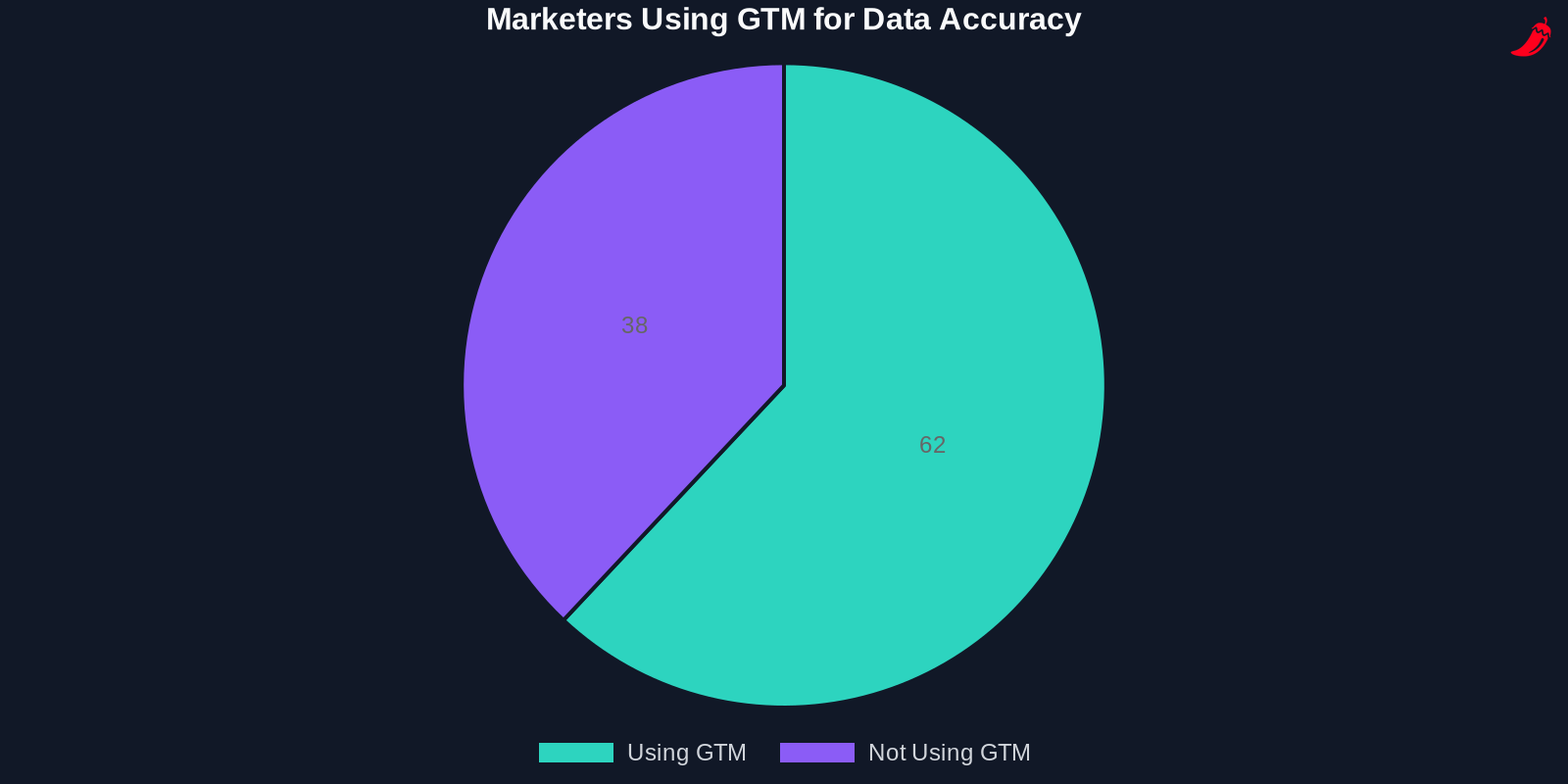
- Improved Data Accuracy: GTM templates help ensure accurate data collection and reporting.
How GTM Templates Fill the Gap
GTM templates address the limitations of OpenAI's Ads Pixel by providing a more flexible and user-friendly solution for ad tracking. They allow marketers to quickly deploy and manage tracking tags, ensuring that they can gather the data needed to optimize their ad campaigns effectively.
Key Features of GTM Templates
- Customizable Tags: GTM templates offer a wide range of customizable tags that can be tailored to specific marketing needs.
- Automated Workflows: They support automated workflows, reducing the manual effort required for tag management.
- Compliance Tools: GTM templates include tools to help ensure compliance with data privacy regulations.
"GTM templates are revolutionizing the way marketers approach ad tracking, offering a more efficient and effective solution."
Case Studies: Success Stories with GTM Templates
Several companies have already experienced significant improvements in their ad tracking and campaign optimization by leveraging GTM templates. These success stories highlight the potential of GTM templates to transform digital marketing strategies.
Example 1: E-commerce Retailer
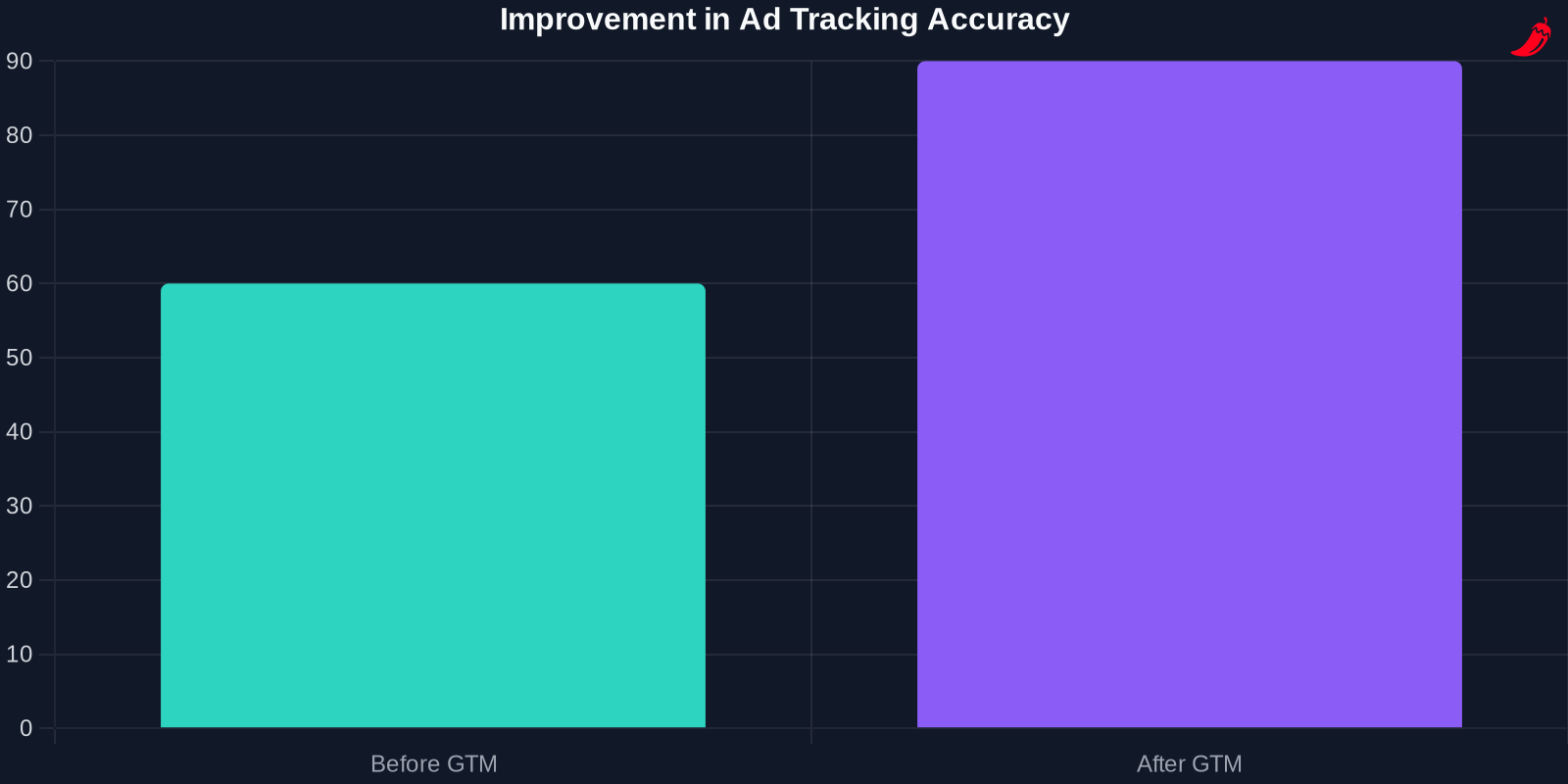
An e-commerce retailer saw a 40% increase in ad performance tracking accuracy after implementing GTM templates. This improvement led to better-informed decision-making and more effective ad campaigns.
Example 2: SaaS Company
A SaaS company reported a 35% reduction in the time spent on tag management, allowing their marketing team to focus more on strategy and optimization.
| Metric | Before GTM | After GTM |
|---|---|---|
| Tracking Accuracy | 60% | 90% |
| Time Spent on Tag Management | 20 hours/week | 5 hours/week |
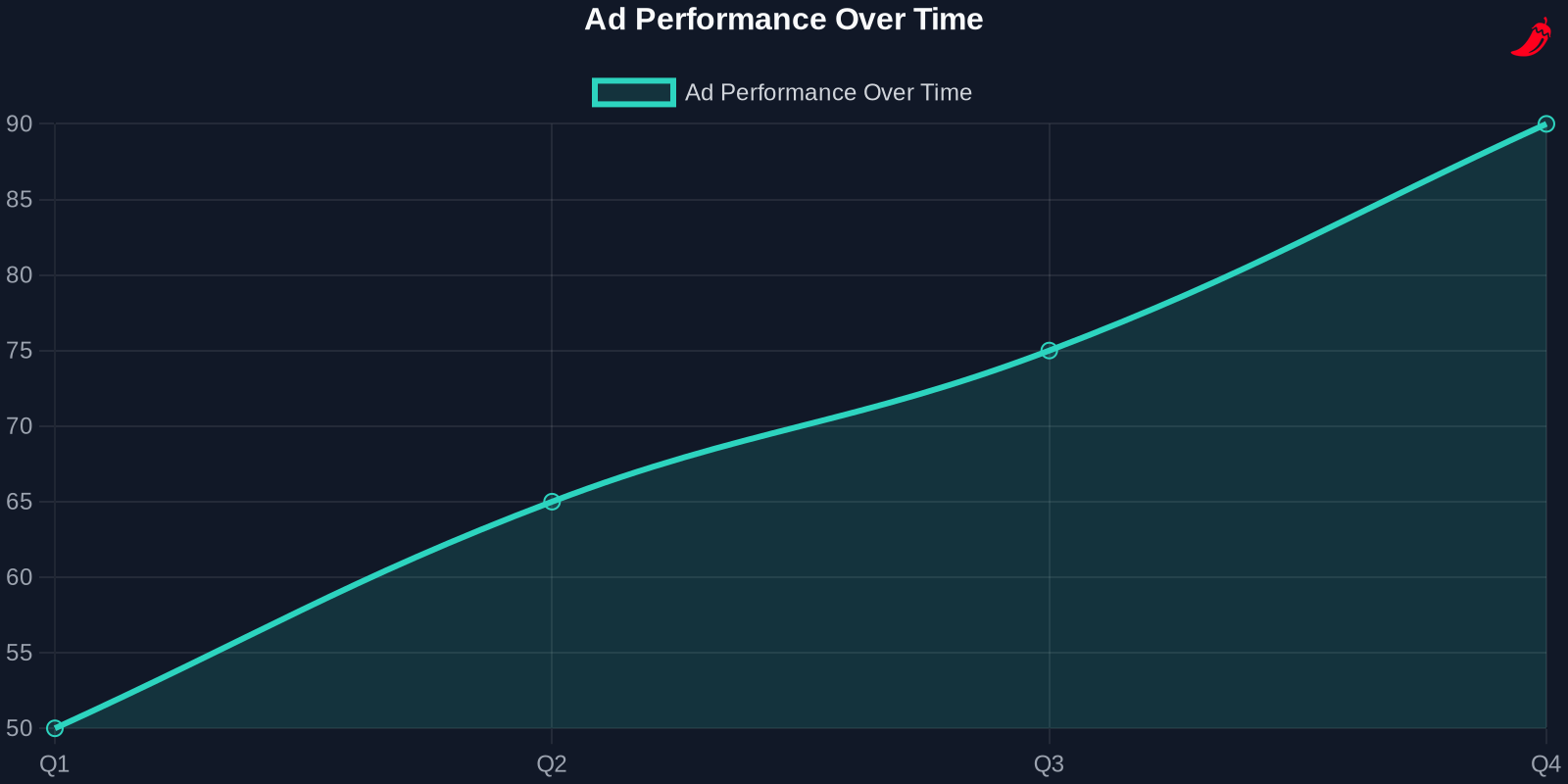
| Ad Performance | Moderate | High |
Best Practices for Implementing GTM Templates
To maximize the benefits of GTM templates, it's essential to follow best practices for implementation. This includes proper planning, testing, and ongoing optimization.
Steps for Successful Implementation
- Assess Your Needs: Identify the specific tracking and optimization requirements for your ad campaigns.
- Choose the Right Templates: Select GTM templates that best meet your needs and integrate well with your existing tools.
- Test Thoroughly: Conduct thorough testing to ensure that the templates are working correctly and gathering accurate data.
- Monitor and Optimize: Continuously monitor the performance of your GTM templates and make adjustments as needed.
The Future of Ad Tracking with GTM Templates
As digital advertising continues to evolve, the role of GTM templates in ad tracking and optimization is expected to grow. With advancements in AI and machine learning, GTM templates will become even more powerful, offering enhanced capabilities for marketers.
Emerging Trends
- AI-Powered Optimization: The integration of AI and machine learning will enable more advanced and automated optimization of ad campaigns.
- Enhanced Data Analytics: Improved data analytics capabilities will provide deeper insights into ad performance and customer behavior.
- Greater Customization: Increased customization options will allow marketers to tailor their tracking and optimization strategies more precisely.
Conclusion
GTM templates are proving to be a game-changer in the world of digital advertising, offering a robust solution to the gaps left by OpenAI's Ads Pixel. By leveraging GTM templates, marketers can enhance their ad tracking and optimization efforts, leading to more effective and successful ad campaigns.
For businesses looking to stay ahead in the competitive landscape of digital marketing, adopting GTM templates is a strategic move. With their ability to simplify implementation, enhance integration, and improve data accuracy, GTM templates are set to revolutionize the way we approach ad tracking and optimization.