Differentiation Beats Lead Generation: Marketers' Top Challenge in 2026

Differentiation Beats Lead Generation: Marketers' Top Challenge in 2026
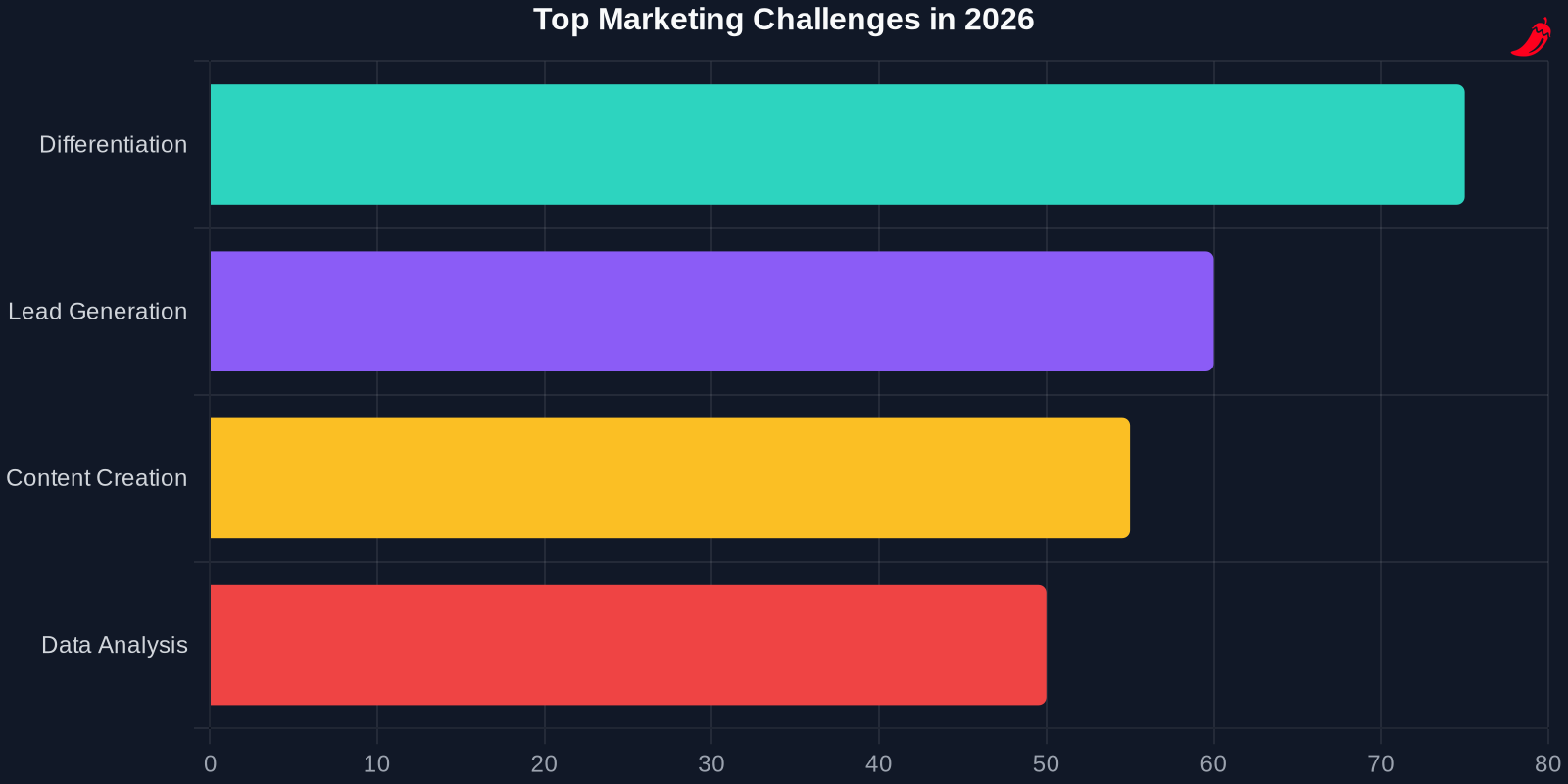
In the rapidly evolving landscape of B2B marketing, a significant shift is occurring. According to a recent report by Dreamdata, differentiation has emerged as the foremost challenge for marketers in 2026, surpassing traditional concerns like lead generation. This article delves into the reasons behind this shift and provides actionable strategies for marketers to stand out in an increasingly crowded market.
The Rise of Differentiation
The marketing world is undergoing a transformation. With the proliferation of digital channels and the increasing sophistication of consumers, simply generating leads is no longer enough. Marketers must now focus on differentiation to capture attention and drive engagement.
Why Differentiation Matters
- Market Saturation: The digital space is more crowded than ever. Consumers are bombarded with messages, making it difficult for any single brand to stand out.
- Consumer Sophistication: Today's consumers are more informed and discerning. They can easily see through generic marketing tactics and are drawn to brands that offer unique value.
- Competitive Advantage: Differentiation allows brands to carve out a unique position in the market, making it easier to attract and retain customers.
The Decline of Traditional Lead Generation
While lead generation remains important, its effectiveness has waned. The focus has shifted from quantity to quality, with marketers realizing that not all leads are created equal.
Challenges with Lead Generation
- Volume vs. Quality: Many marketers have focused on generating a high volume of leads, often at the expense of quality.
- Lead Fatigue: Consumers are becoming increasingly resistant to traditional lead generation tactics, such as cold calls and generic email campaigns.
- Measurement Issues: The true value of online advertising and lead generation efforts is often misunderstood, leading to misallocated resources.
Strategies for Effective Differentiation
To succeed in this new landscape, marketers must adopt strategies that emphasize differentiation. Here are some key approaches:
1. Deep Market Research
Understanding your target audience is the first step in differentiation. Conduct thorough market research to identify their pain points, preferences, and behaviors. This will allow you to tailor your messaging and offerings to meet their specific needs.
2. Unique Value Proposition
Develop a unique value proposition (UVP) that clearly communicates what sets your brand apart. Your UVP should be compelling, concise, and focused on the benefits you provide to your customers.
3. Content Marketing
Content marketing is a powerful tool for differentiation. By creating high-quality, valuable content, you can establish your brand as a thought leader in your industry. This not only attracts potential customers but also builds trust and credibility.
4. Personalization
Personalization is key to standing out in a crowded market. Use data and analytics to tailor your marketing efforts to individual customers. This can include personalized email campaigns, targeted advertising, and customized content.
5. Innovative Technologies
Leverage innovative technologies such as AI and machine learning to enhance your marketing efforts. These technologies can help you analyze vast amounts of data, predict customer behavior, and deliver personalized experiences at scale.
Content marketing done right turns readers into buyers. Learn the 7-step strategy, buyer journey mapping, and how to measure ROI — all in one actionable guide.
Case Studies: Successful Differentiation
Case Study 1: GEO's Approach to PR
GEO has successfully differentiated itself by identifying saturated narratives and uncovering unique stories. By focusing on what sets their clients apart, they have been able to secure more meaningful media coverage and build stronger relationships with journalists.
Case Study 2: OpenAI's Challenges and Opportunities
Despite its high valuation, OpenAI faces significant challenges, including massive cash burn and intense competition. However, by focusing on its unique strengths and innovative technologies, OpenAI can differentiate itself and continue to attract investment and talent.
Measuring the Impact of Differentiation
To ensure your differentiation strategies are effective, it's crucial to measure their impact. Here are some key metrics to track:
1. Brand Awareness
Track metrics such as website traffic, social media engagement, and search volume to gauge the effectiveness of your differentiation efforts in increasing brand awareness.
2. Customer Engagement
Monitor customer engagement metrics, including time spent on your website, click-through rates, and conversion rates. These metrics can provide insights into how well your differentiation strategies are resonating with your target audience.
3. Customer Loyalty
Measure customer loyalty through metrics such as repeat purchase rates, customer lifetime value, and Net Promoter Score (NPS). High levels of customer loyalty indicate that your differentiation efforts are successful.
4. Market Share
Track your market share to determine how well your differentiation strategies are helping you gain a competitive edge. An increasing market share is a strong indicator of successful differentiation.
| Metric | Before Differentiation | After Differentiation |
|---|---|---|
| Brand Awareness | Low | High |
| Customer Engagement | Moderate | High |
| Customer Loyalty | Low | High |
| Market Share | Declining | Increasing |
The Role of AI in Differentiation
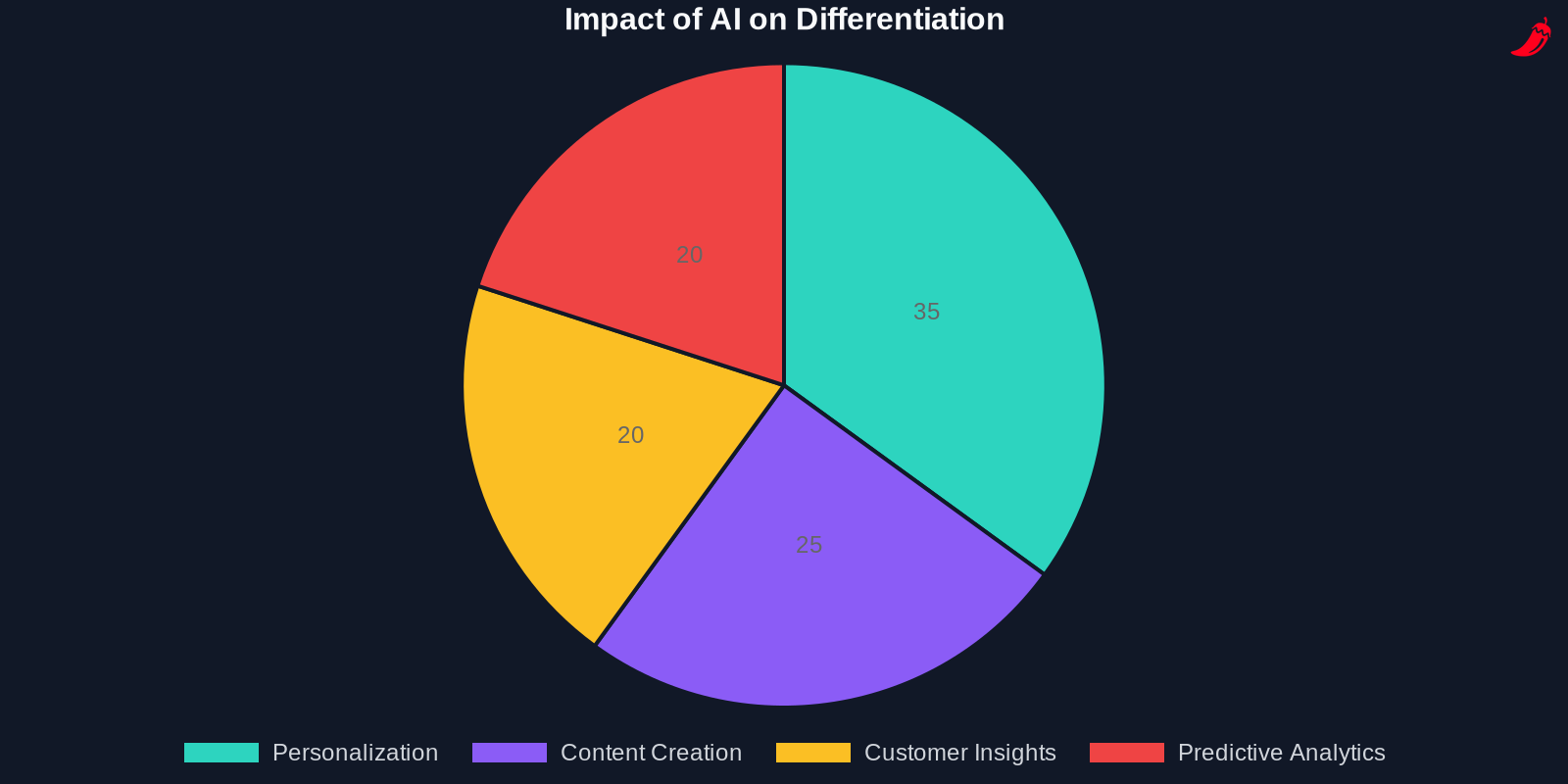
Artificial Intelligence (AI) is playing an increasingly important role in differentiation. By leveraging AI, marketers can gain deeper insights into customer behavior, predict trends, and deliver personalized experiences at scale.
AI-Driven Personalization
AI can analyze vast amounts of data to identify patterns and predict customer behavior. This allows marketers to deliver highly personalized experiences, tailoring their messaging and offerings to individual customers.
AI-Powered Content Creation
AI can also be used to create high-quality, engaging content. From generating blog posts to creating social media updates, AI can help marketers produce content that resonates with their target audience.
AI-Enhanced Customer Insights
AI can provide deeper insights into customer behavior, allowing marketers to better understand their target audience. This can inform differentiation strategies, helping marketers tailor their efforts to meet the specific needs and preferences of their customers.
Key Takeaways
Conclusion
In conclusion, differentiation has emerged as the top challenge for marketers in 2026. By focusing on what sets your brand apart and leveraging innovative technologies like AI, you can stand out in a crowded market and drive meaningful engagement with your target audience. Remember, the key to successful differentiation is not just being different, but being meaningfully different in ways that matter to your customers.
At PepperInsight.com, we specialize in helping businesses generate qualified leads and create personalized outreach messages with AI precision. By leveraging our expertise, you can enhance your differentiation strategies and achieve your marketing goals.