Redesigning Enterprise GTM: Migrating from Salesforce to Dynamics 365

Redesigning Enterprise GTM: An Architecture-Led Migration from Salesforce to Dynamics 365
In today's rapidly evolving business landscape, companies are constantly seeking ways to optimize their go-to-market (GTM) strategies. One significant shift involves migrating from Salesforce to Dynamics 365, a move that can redefine enterprise architecture and drive substantial business growth. Visit our digital marketing blog for the latest info and insights into data-driven digital marketing.
Understanding the Need for Migration
Migrating from Salesforce to Dynamics 365 is not just about switching platforms; it's about redesigning your GTM strategy to be more efficient and effective. Enterprises often face challenges with scalability, integration, and customization in Salesforce, prompting the need for a more robust solution.
Key Challenges with Salesforce
- Scalability Issues: As businesses grow, Salesforce can become cumbersome and less flexible.
- Integration Limitations: Integrating Salesforce with other enterprise systems can be complex and costly.
- Customization Constraints: Customizing Salesforce to meet specific business needs often requires extensive coding and development work.
Benefits of Dynamics 365
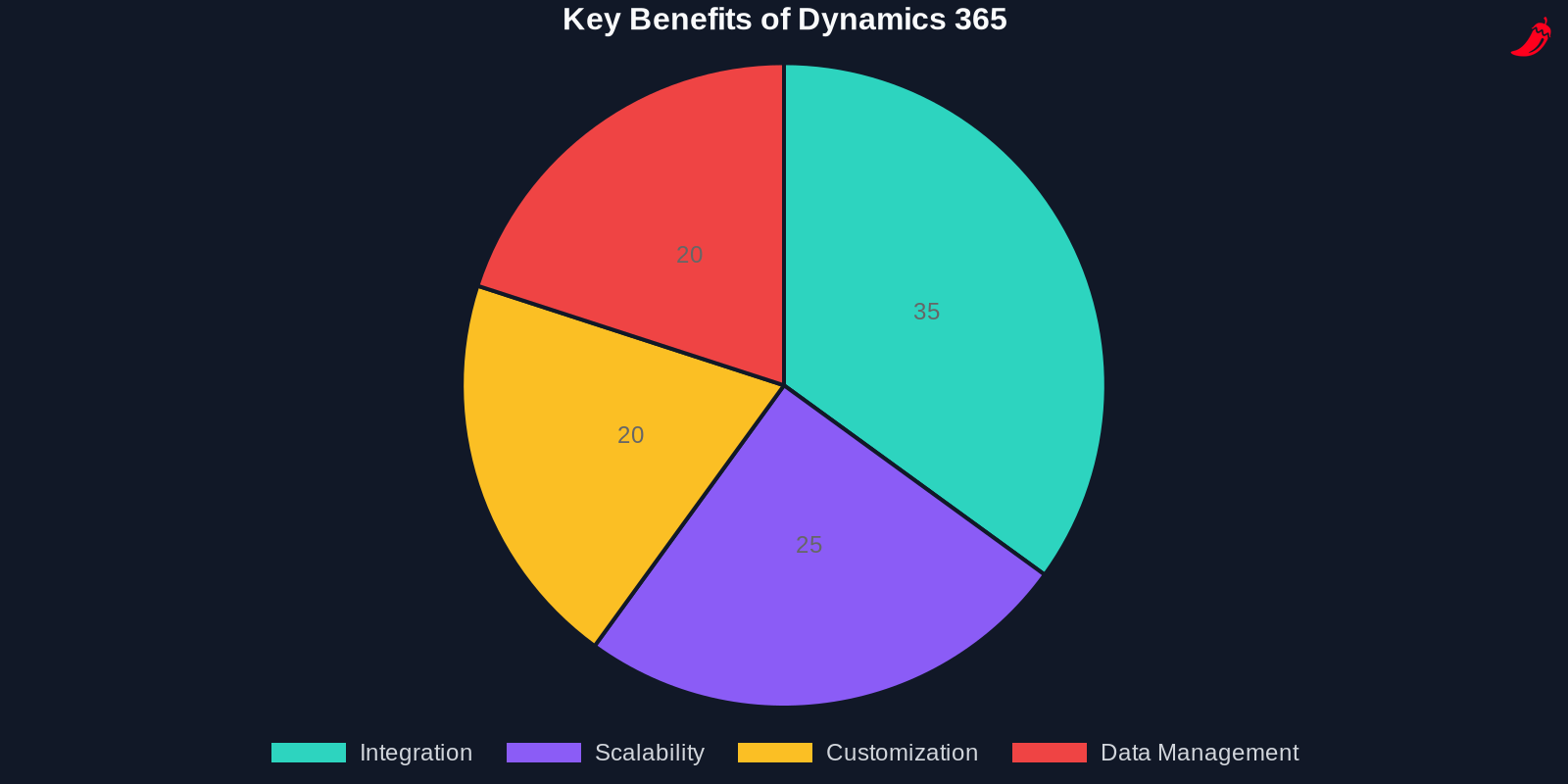
Dynamics 365 offers a comprehensive suite of business applications that can seamlessly integrate with your existing systems, providing a more cohesive and efficient GTM strategy.
Enhanced Integration Capabilities
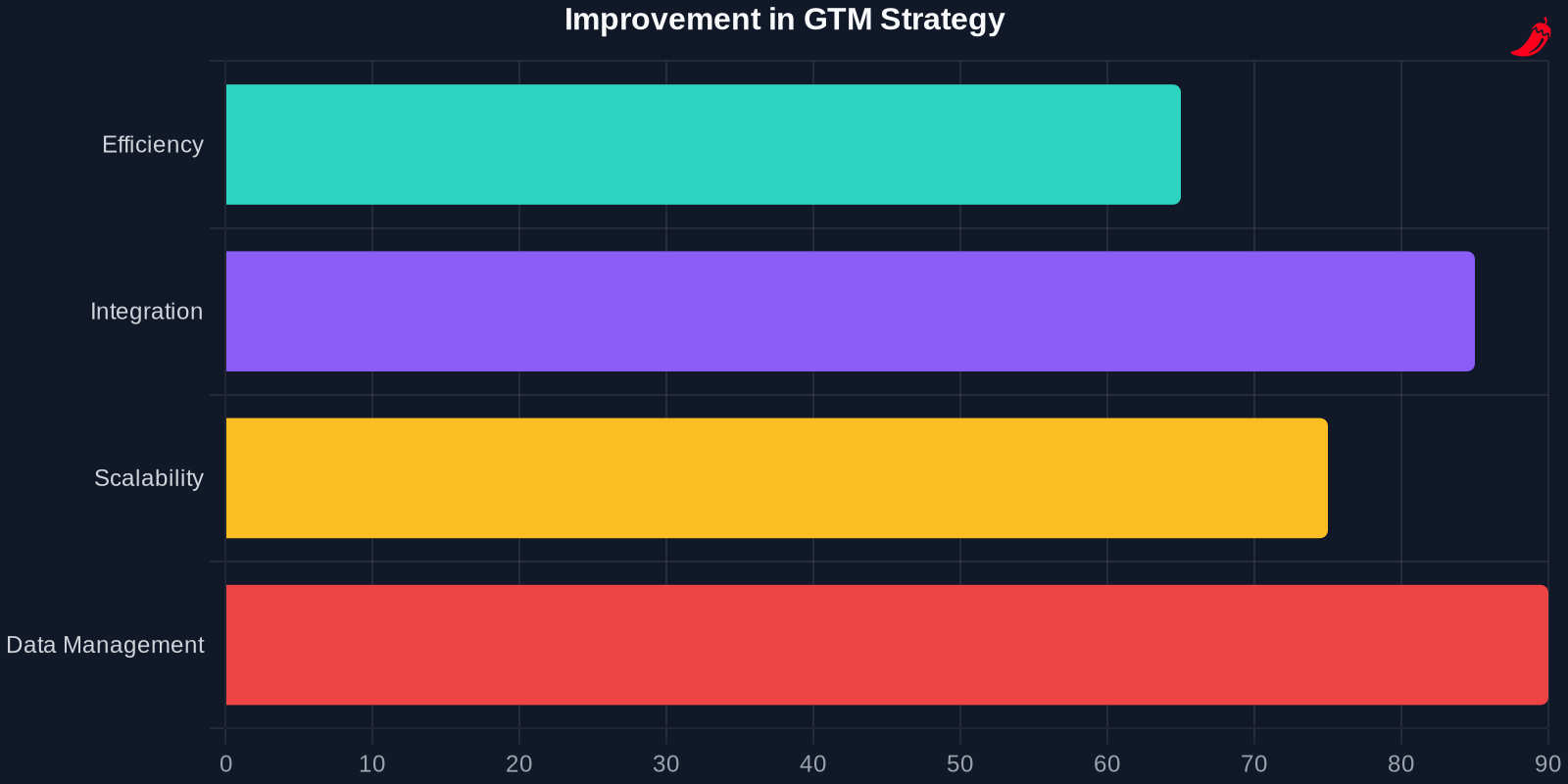
Dynamics 365 excels in its ability to integrate with other Microsoft products and third-party applications. This seamless integration ensures that your GTM strategy is well-coordinated across various platforms, enhancing overall efficiency.
Scalability and Flexibility
One of the standout features of Dynamics 365 is its scalability. Whether you're a small business or a large enterprise, Dynamics 365 can scale to meet your needs. This flexibility ensures that your GTM strategy can evolve as your business grows.
The Migration Process
Migrating from Salesforce to Dynamics 365 involves several critical steps. Each step must be carefully planned and executed to ensure a smooth transition.
Step 1: Assessment and Planning
Before embarking on the migration journey, it's essential to assess your current Salesforce setup and plan the migration process meticulously. This involves identifying key stakeholders, setting clear objectives, and establishing a timeline.
Step 2: Data Migration
Data migration is a crucial step in the process. It involves transferring all your data from Salesforce to Dynamics 365. This step requires careful planning to ensure data integrity and accuracy.
"A well-planned data migration strategy is the backbone of a successful transition to Dynamics 365."
Step 3: Customization and Configuration
Once the data is migrated, the next step is to customize and configure Dynamics 365 to meet your specific business needs. This involves setting up workflows, creating custom fields, and configuring integrations.
Key Takeaways
Conclusion
Migrating from Salesforce to Dynamics 365 is a strategic decision that can significantly enhance your enterprise GTM architecture. By following a well-planned migration process, businesses can achieve improved efficiency, better integration capabilities, and enhanced scalability.
For more insights and personalized outreach messages, visit PepperInsight.com.