Petrochemical Supply Chains in 2024: Navigating Volatility, Digitalization, and Regional Shifts

title: "Petrochemical Supply Chains in 2024: Navigating Volatility, Digitalization, and Regional Shifts" metaDescription: "Explore key trends reshaping petrochemical supply chains in 2024, including digitalization benefits, regional capacity shifts, and raw material volatility."
Petrochemical Supply Chains in 2024: Navigating Volatility, Digitalization, and Regional Shifts
The petrochemical industry is undergoing a profound transformation. Global chemical output is expected to exceed $5.7 trillion by 2025, driven by rising demand from automotive, construction, and healthcare sectors. However, supply chain complexity — from feedstock price swings to logistics bottlenecks — has never been higher. According to a recent analysis by Telecom Reseller, advanced digitalization and regional capacity shifts are emerging as critical strategies for resilience.
This article unpacks the key drivers affecting petrochemical supply chains in 2024, offering insights for procurement leaders, supply chain managers, and industry analysts.
The Raw Material Volatility Challenge
Petrochemical producers rely heavily on feedstocks like naphtha, ethane, and propane. In 2023, naphtha prices swung by as much as 40% in some regions, directly impacting margins for downstream plastics and solvents. This volatility is not expected to ease in 2024.
Key Drivers of Price Instability
- Geopolitical tensionsin major oil-producing regions continue to disrupt crude supply. -Energy transition policiesin Europe and North America are shifting refinery outputs, reducing byproduct feedstocks. -Demand fluctuationsfrom emerging markets create sudden imbalances.
Digitalization: The New Competitive Advantage
Digitalization is no longer optional — it's a survival tool. From AI-powered demand forecasting to blockchain-enabled traceability, technology is reshaping how petrochemical supply chains operate.

Benefits of Digital Supply Chains
-Real-time visibilityinto inventory levels and shipment status across continents. -Predictive analyticsto anticipate price movements and logistics delays up to 30 days in advance. -Automated compliancewith evolving environmental and safety regulations.
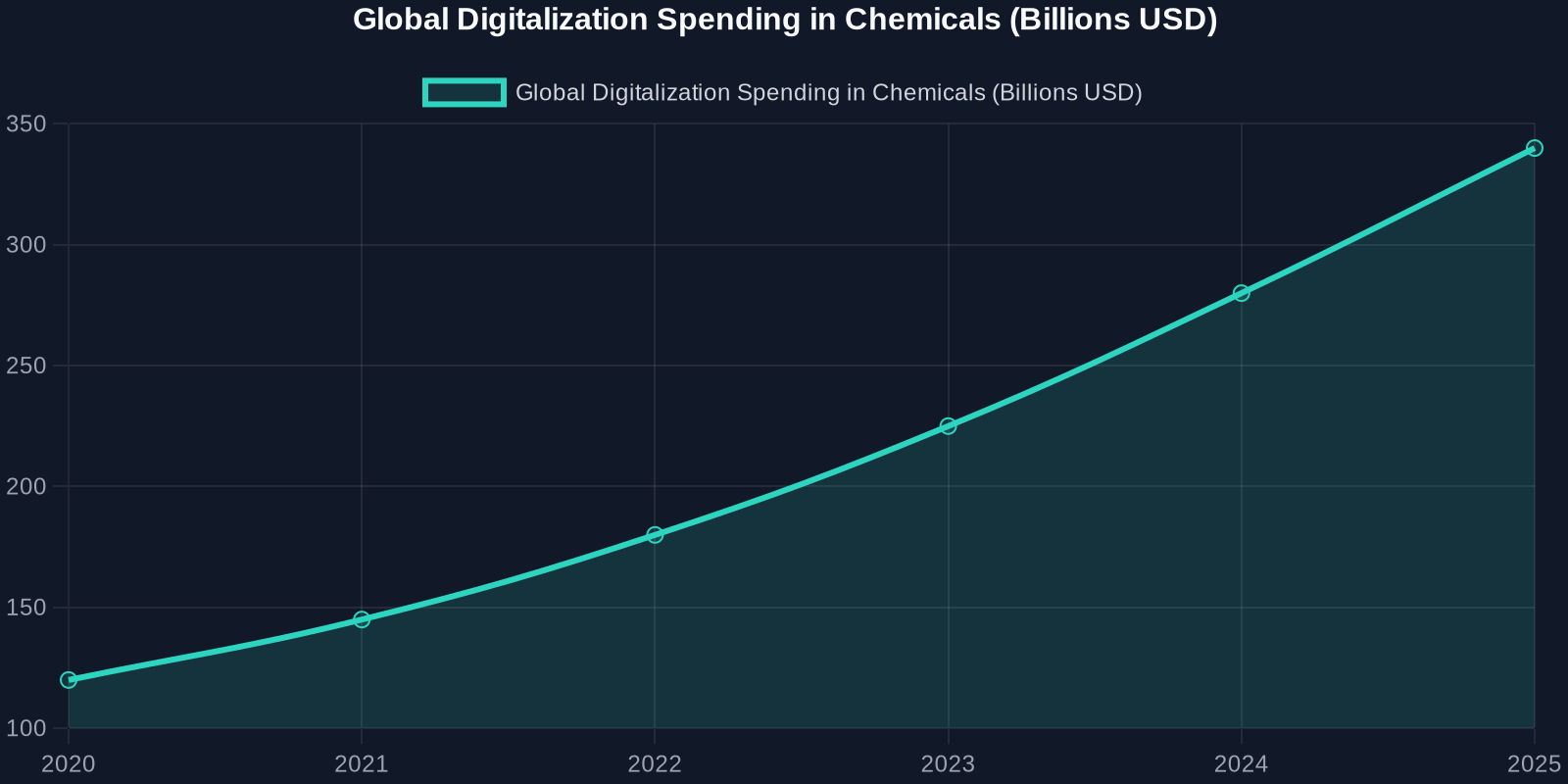
A recent case study from a major US petrochemical firm showed that after implementing a cloud-based supply chain platform, the company reduced unplanned downtime by 25% and improved customer order fulfillment accuracy by 18%.
Regional Capacity Shifts Reshaping Global Flows
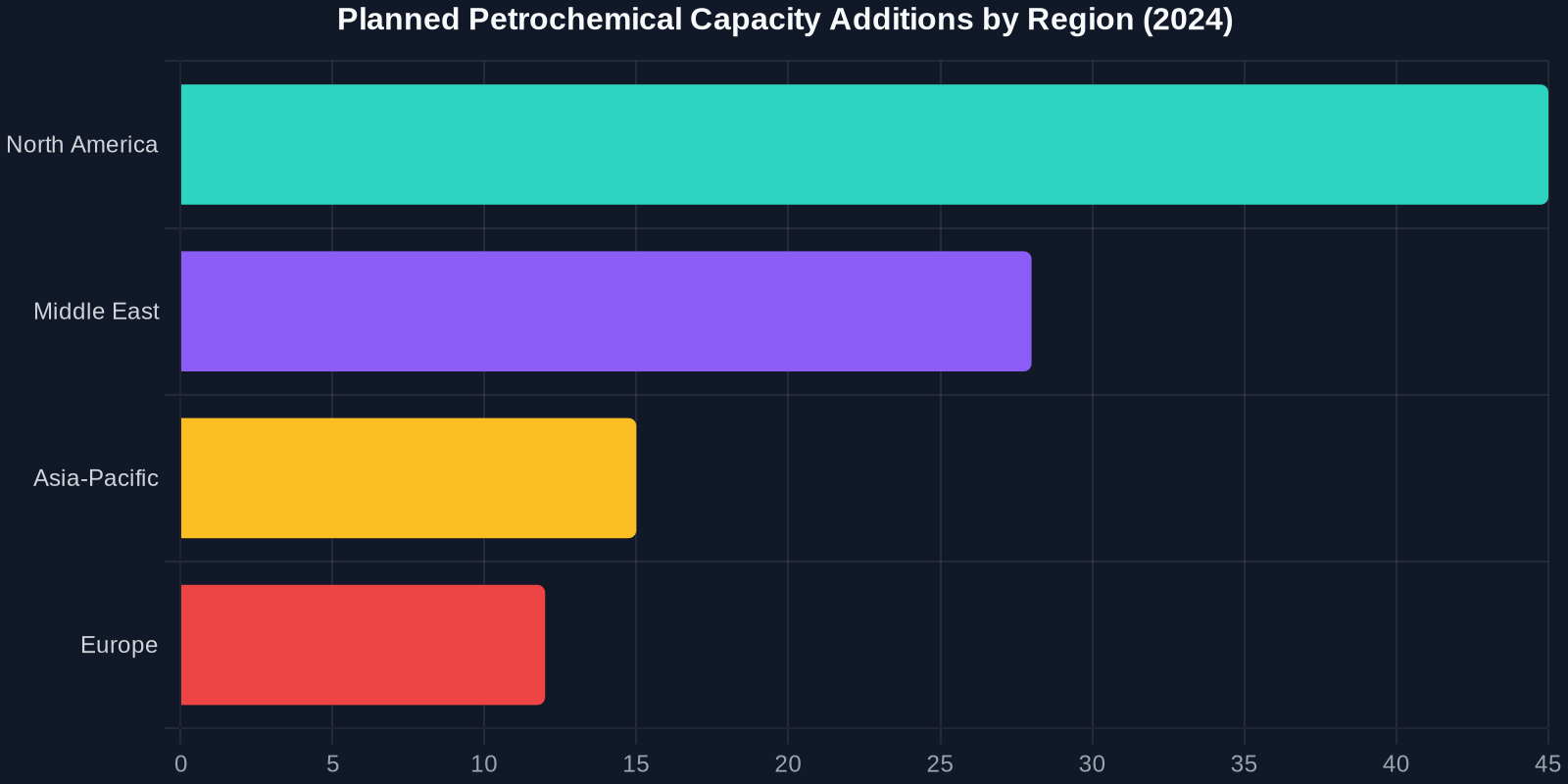
One of the most significant trends in 2024 is the redistribution of petrochemical production capacity. New crackers and downstream units are coming online in regions with advantaged feedstocks and attractive regulatory environments.
Where the Growth Is
-North America: The shale gas boom has made ethane the cheapest feedstock globally. Over 45 million metric tons of new ethylene capacity is planned by 2026.
- Middle East: Low-cost propane and naphtha continue to attract investment, with Saudi Arabia and UAE leading expansions.
- Asia-Pacific: China remains the largest consumer, but domestic capacity is growing fast, reducing import dependence.
- Europe: Capacity is shrinking due to high energy costs and carbon pricing, creating openings for imports.
Sustainability Pressures and Opportunities
Environmental regulations are tightening globally. The European Union's Carbon Border Adjustment Mechanism (CBAM) is now in its transitional phase, and similar policies are being considered in North America and Asia.
How Petrochemical Firms Are Responding
-Investing in recycling infrastructurefor plastics, creating a circular feedstock pool. -Switching to lower-carbon feedstockslike bio-naphtha and recycled pyrolysis oil. -Adopting carbon captureat ethylene and ammonia plants.
Strategic Sourcing and Supplier Collaboration
In a volatile market, transactional supplier relationships are being replaced by long-term strategic partnerships. Companies are co-investing in capacity, sharing demand forecasts, and joint-venturing on new technology.

Best Practices for Supplier Management
-Dual-sourcingfor critical feedstocks to reduce single-point-of-failure risk. -Quarterly business reviewswith top suppliers, including digital scorecards. -Joint R&D programsfor alternative materials and processes.
Key Takeaways
Conclusion and Call to Action
The petrochemical supply chain of 2024 is defined by volatility, digitalization, and regional shifts. While risks are plentiful, so are opportunities for those who act decisively. Whether you are a procurement leader, a logistics manager, or an executive strategist, now is the time to audit your supply chain resilience, invest in digital tools, and deepen supplier partnerships.
For a deeper dive into how digital platforms are enabling supply chain transparency in the chemical industry, read more at Telecom Reseller. You can also explore resources from American Chemistry Council and McKinsey's Chemicals Practice for additional data and case studies.